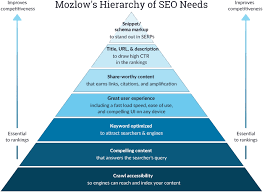
Search Engine Optimization (SEO) is a crucial aspect of building and maintaining a successful website. By optimizing your website for search engines, you can improve its visibility and attract more organic traffic. Here are some key strategies to consider when optimizing your website for SEO:
Identifying relevant keywords that your target audience is searching for is essential for SEO success. Use tools like Google Keyword Planner to discover high-traffic keywords related to your industry.
Optimize your website’s title tags, meta descriptions, headings, and content with your chosen keywords. Ensure that your website is user-friendly and easy to navigate.
Create high-quality, relevant content that provides value to your audience. Regularly update your website with fresh content to keep visitors engaged and encourage search engine crawlers to index your site frequently.
With the increasing use of mobile devices, it’s crucial to have a responsive design that provides a seamless user experience across all devices. Google prioritizes mobile-friendly websites in search results.
Acquire backlinks from reputable websites in your industry to improve your website’s authority and credibility in the eyes of search engines. Focus on quality over quantity when building backlinks.
Use tools like Google Analytics to track the performance of your website and SEO efforts. Monitor key metrics such as organic traffic, bounce rate, and keyword rankings to identify areas for improvement.
By implementing these SEO optimization strategies, you can enhance the visibility and ranking of your website in search engine results pages (SERPs). Remember that SEO is an ongoing process that requires consistent effort and monitoring to achieve long-term success.
Performing keyword research is a fundamental step in SEO optimization for websites. By identifying and targeting relevant search terms that your target audience is using, you can increase the visibility of your website in search engine results. Understanding the keywords that are most likely to drive organic traffic to your site allows you to create content that resonates with users and aligns with their search intent. This strategic approach not only improves your website’s ranking but also enhances the overall user experience, ultimately leading to increased traffic and engagement on your site.
Optimizing on-page elements such as title tags, meta descriptions, and headings is a fundamental aspect of effective SEO strategy. These elements play a crucial role in signaling to search engines what your webpage is about and how relevant it is to users’ search queries. By strategically incorporating targeted keywords into these on-page elements, you can improve your website’s visibility and increase the likelihood of ranking higher in search engine results. Crafting compelling and concise title tags, informative meta descriptions, and well-structured headings not only enhances user experience but also boosts your chances of attracting organic traffic to your website.
Creating high-quality, engaging content that provides value to users is a cornerstone of effective SEO optimization for websites. By offering valuable information, insights, or entertainment to your audience, you not only establish credibility and trust but also encourage longer website visits and increased user engagement. Search engines prioritize content that is relevant and useful to users, so focusing on creating content that resonates with your target audience can significantly boost your website’s visibility and ranking in search results. Remember, quality content is key to attracting and retaining visitors while driving organic traffic to your website.
Improving your website’s loading speed is a critical tip for SEO optimization. A fast-loading website not only enhances user experience by reducing bounce rates and keeping visitors engaged but also boosts your SEO rankings. Search engines like Google prioritize websites that load quickly, as it indicates a better user experience. By optimizing your website’s loading speed through techniques such as image optimization, minifying code, and utilizing content delivery networks (CDNs), you can significantly improve both user satisfaction and search engine visibility.
Obtaining backlinks from reputable websites is a crucial strategy in SEO optimization to enhance your website’s domain authority. Backlinks act as a vote of confidence from other websites, signaling to search engines that your site is trustworthy and valuable. By earning backlinks from high-quality and relevant sources, you not only improve your website’s credibility but also increase the likelihood of ranking higher in search engine results pages. Focus on building a diverse backlink profile with authoritative sites to strengthen your domain authority and boost your overall SEO performance.
Utilizing alt text for images on your website is a simple yet effective way to enhance both accessibility and keyword optimization. Alt text provides a textual description of images, making your website more accessible to visually impaired users who rely on screen readers. Additionally, incorporating relevant keywords into your alt text can improve the visibility of your images in search engine results, driving more organic traffic to your site. By optimizing alt text for images, you not only improve user experience but also boost your SEO efforts, ultimately enhancing the overall performance of your website.
Ensuring that your website is mobile-friendly is a crucial aspect of SEO optimization. With the increasing use of mobile devices, it’s essential to provide a seamless user experience across all platforms. A mobile-friendly design not only improves user engagement and satisfaction but also positively impacts your website’s search engine ranking. By optimizing your website for mobile devices, you can reach a wider audience and enhance the overall accessibility and usability of your site, ultimately driving more traffic and conversions.
Regularly monitoring and analyzing your website’s performance using tools like Google Analytics is essential for effective SEO optimization. By tracking key metrics such as organic traffic, bounce rate, and keyword rankings, you can gain valuable insights into how your website is performing and identify areas for improvement. This data-driven approach allows you to make informed decisions to enhance your website’s visibility and user experience, ultimately leading to improved search engine rankings and increased organic traffic.
