
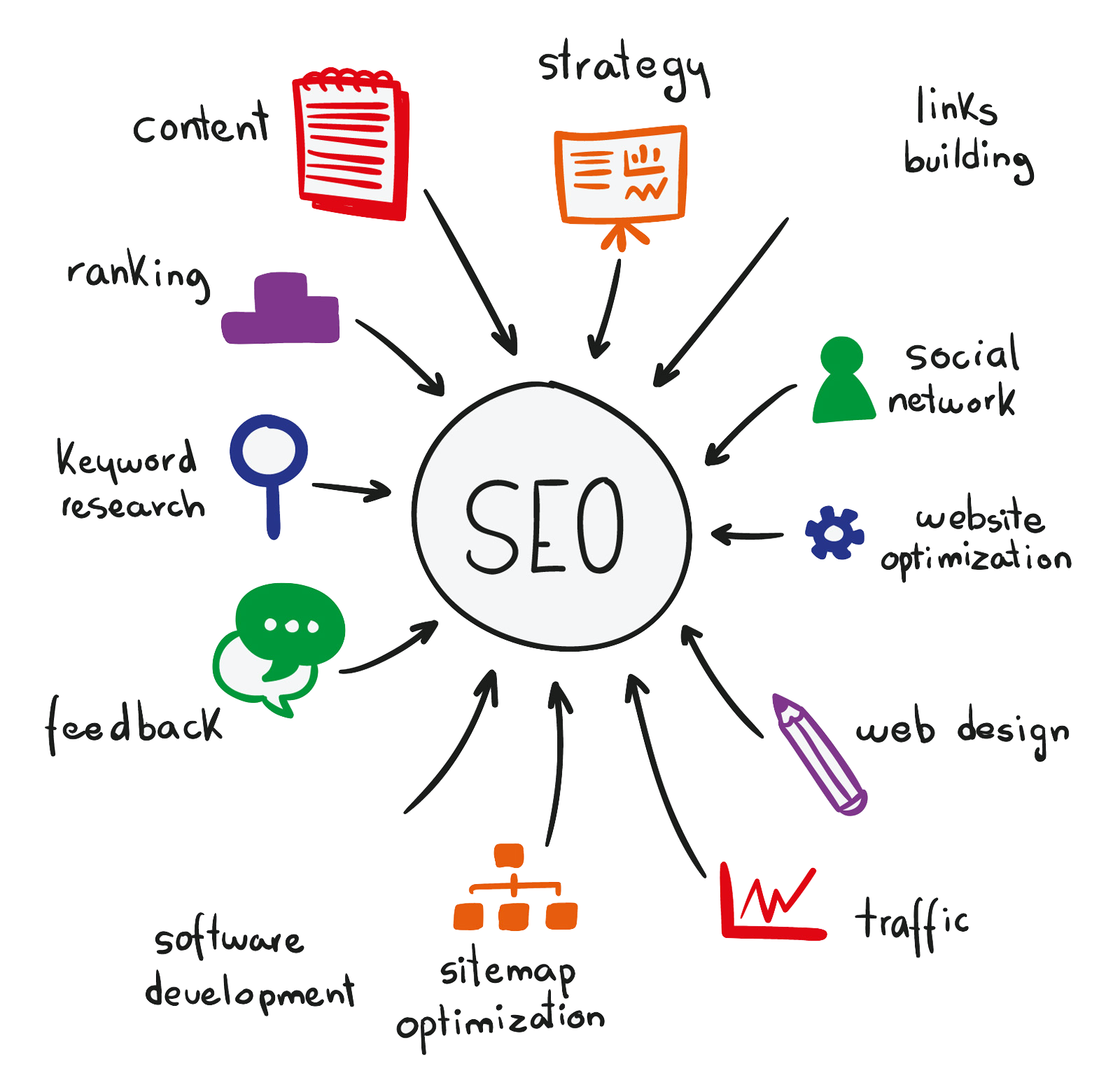
Social Media Search Engine Optimization: How to Get Found on Social Platforms
Social media search engine optimization, often called social SEO, is the practice of improving your content and profiles so people can find them through searches on platforms such as Instagram, TikTok, YouTube, Pinterest, LinkedIn, and Facebook. It combines familiar SEO principles—understanding search intent, using relevant keywords, and creating useful content—with the features and behavior of each social network.
Social SEO can help your content appear when people search for products, services, advice, local businesses, or ideas. It can also make your brand easier to discover outside social platforms, since public profiles and posts may appear in traditional search engine results.
How Social Media SEO Works
Social platforms organize and recommend content using their own systems. While each platform works differently, several factors can affect whether a post appears in search results or recommendations:
- Relevance: How closely your content matches the words, topic, or intent behind a search.
- Content details: Captions, titles, descriptions, hashtags, on-screen text, and other information that helps a platform understand a post.
- Engagement: Actions such as watching, saving, sharing, commenting, or clicking. The importance of each action varies by platform.
- Quality and usefulness: Whether the content answers a question, demonstrates something, or otherwise gives viewers a reason to keep watching or engage.
- Account information: Profile details that help identify what a person, creator, or business is about.
These factors are not identical across platforms, and ranking systems change over time. Social SEO is best treated as an ongoing practice: publish helpful content, make it easy to understand, and review how people find and interact with it.
Social SEO and Traditional SEO
Social media SEO and traditional search engine optimization share an important goal: helping the right audience find relevant information. Both benefit from clear topics, accurate descriptions, useful content, and an understanding of what people are trying to accomplish.
However, social platforms are not simply search engines with different designs. People may search social media for demonstrations, recommendations, reviews, or quick inspiration, while a traditional search engine may lead them to a detailed article, service page, or product comparison. A strong strategy considers how people use each platform rather than copying the same content everywhere.
Social engagement should not be treated as a guaranteed way to improve rankings in traditional search engines. Social content can still support broader marketing by increasing awareness, attracting visitors, earning attention, and helping people discover a brand.
How to Improve Your Social Media SEO
Learn What Your Audience Searches For
Start with the questions, needs, and language of your audience. Look at platform search suggestions, comments, customer questions, reviews, and relevant discussions. Keyword research tools can also help identify common terms, but the wording should sound natural to real people.
Consider the intent behind a search. Someone looking for “how to clean suede shoes” wants instructions, while someone searching for “suede shoe cleaner” may be comparing products. Content that matches the intent is more useful than a post that simply repeats a popular phrase.
Optimize Your Profile
Your profile should clearly explain who you are, what you offer, and whom you help. Use a recognizable name and handle, write a concise description, and include relevant terms where they fit naturally. Add accurate contact details and a link to your website or another useful destination when the platform allows it.
For local businesses, include location information and service areas when appropriate. Keep profile details consistent across platforms so people can recognize and verify your business.
Use Keywords Naturally in Posts
Include the main topic in places that help both people and the platform understand the content. Depending on the network, this may include the post title, caption, description, spoken words, or text displayed in the video. Put the subject near the beginning when it reads naturally.
Avoid stuffing captions with repeated keywords. Clear language is more useful than awkward repetition, and excessive or irrelevant tags can make content harder to trust.
Write Descriptive Titles and Captions
A descriptive title or opening line tells people what they can expect. Instead of a vague caption such as “You need to see this,” try a specific one such as “Three ways to organize a small home office.” Specific wording can help people decide whether the post answers their question.
Use captions to add context, explain key points, and include a relevant next step. On video platforms, accurate subtitles can make content more accessible and help viewers follow along when sound is unavailable.
Create Content That Answers Real Questions
Useful social content can include how-to videos, product demonstrations, comparisons, checklists, expert explanations, customer stories, and answers to common questions. Focus on providing a clear takeaway rather than making every post a sales pitch.
One effective approach is to build a series around a topic. For example, a home services company might publish posts about maintenance, common warning signs, seasonal preparation, and questions to ask before hiring a contractor. Related content helps establish a consistent subject area and gives viewers more opportunities to discover the account.
Use Hashtags and Categories Thoughtfully
Hashtags can help describe a post or place it within a topic, but they are not a substitute for clear content. Use a small set of accurate, relevant hashtags where they are useful. Platform features such as categories, location tags, playlists, boards, and topic labels can also help organize content and improve discoverability.
Make Content Accessible
Accessibility can improve the experience for a wider audience. Add accurate captions to videos, write useful alt text for images when available, use readable on-screen text, and maintain strong color contrast. Accessibility features can also provide additional context about the content.
Encourage Genuine Engagement
Invite meaningful responses with relevant questions, and respond to comments when it makes sense. Engagement should come from genuine interest in the content, not misleading prompts or engagement bait. Avoid buying followers or using automated tactics that violate platform rules; artificial activity can damage trust and may put an account at risk.
Adapt Content to Each Platform
A single idea can be repurposed, but the finished post should fit the platform. A detailed tutorial may work well as a YouTube video, while a short visual tip may suit Instagram or TikTok. A professional lesson could become a LinkedIn post, and a step-by-step visual guide might work well on Pinterest.
Adjust the format, length, language, and call to action for the audience and search behavior on each network. Reposting identical content everywhere without adapting it can make it feel out of place.
Social Media SEO for Local Businesses
Local businesses can use social profiles to help people discover services in a particular area. Keep the business name, address, phone number, website, hours, and service information accurate wherever they appear. Use location details when they are relevant to a post, and publish content that answers local customers’ questions.
Examples include neighborhood guides, seasonal service advice, behind-the-scenes posts, customer FAQs, and clear explanations of the areas served. Never add a location or claim a service area that does not accurately reflect the business.
How to Measure Social SEO Results
Track outcomes that relate to discovery and business goals. Useful metrics may include:
- Search impressions or views, where the platform reports them
- Reach among people who do not already follow the account
- Watch time, completion rate, saves, shares, and comments
- Profile visits and link clicks
- Website visits, inquiries, bookings, or sales attributed to social channels
Compare similar posts over time instead of judging the strategy by one result. Use platform analytics and website analytics together to understand whether social discovery is leading to meaningful actions. If a post reaches people but does not prompt the next step, review its usefulness, audience fit, and call to action.
Common Social SEO Mistakes
- Using popular keywords that do not match the content
- Writing vague profiles that do not explain what the account offers
- Relying on hashtags instead of clear titles and descriptions
- Posting the same format and wording across every platform
- Ignoring captions, accessibility, or audience questions
- Buying followers or using misleading engagement tactics
- Expecting immediate results from a strategy that needs testing and consistency
Build a Social SEO Strategy That Lasts
Social media SEO is not about chasing every trend or adding as many keywords as possible. It is about making relevant content easier to understand and discover. Start with the questions your audience asks, create useful posts that address those questions, and optimize each profile and post for its platform.
Review performance regularly and use what you learn to improve future content. With a consistent, audience-focused approach, social SEO can help people find your expertise, products, or services at the moments they are looking for them.