Search Engine Optimization (SEO) is a crucial aspect of digital marketing that can significantly impact the visibility and ranking of your website on search engine results pages. By implementing effective SEO techniques, you can improve your website’s organic traffic, attract more potential customers, and ultimately drive business growth. In this article, we will explore some essential SEO techniques that can help you optimize your website for search engines.
Keyword research is the foundation of any successful SEO strategy. By identifying relevant keywords and phrases that your target audience is searching for, you can create content that aligns with their interests and needs. Utilize tools like Google Keyword Planner, SEMrush, or Ahrefs to discover high-volume keywords with low competition.
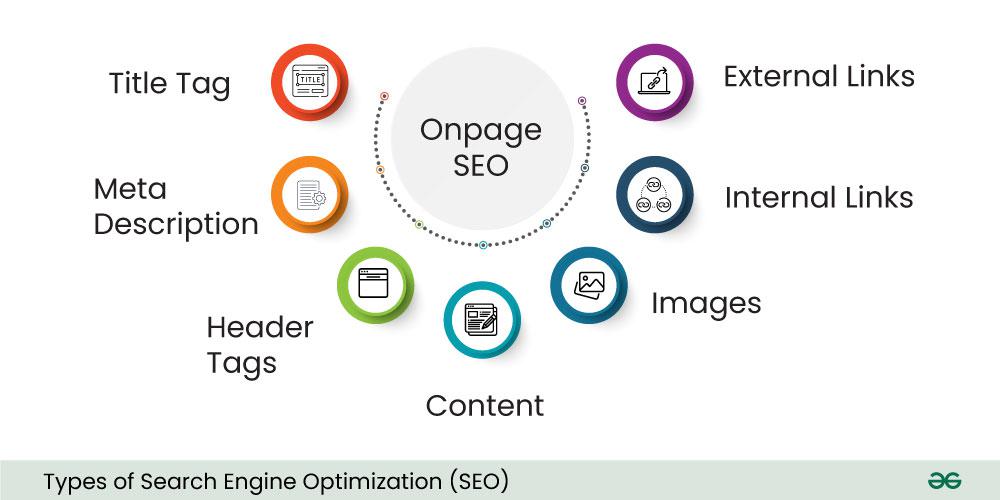
On-page optimization involves optimizing individual web pages to improve their search engine ranking and attract more organic traffic. This includes optimizing meta tags (title tags, meta descriptions), using relevant keywords in headings and content, optimizing images with alt text, and ensuring fast loading speed and mobile responsiveness.
Creating high-quality, relevant content is essential for SEO success. Search engines prioritize websites that provide valuable information to users. Focus on creating engaging blog posts, articles, videos, infographics, and other types of content that address the needs of your target audience.
Link building plays a crucial role in improving your website’s authority and credibility in the eyes of search engines. Aim to acquire backlinks from reputable websites in your industry through guest posting, outreach campaigns, social media promotion, and creating shareable content that naturally attracts links.
Technical SEO involves optimizing the technical aspects of your website to improve its crawlability and indexability by search engines. This includes fixing broken links, improving site speed, implementing schema markup for rich snippets, creating an XML sitemap, and ensuring proper URL structure.
Regularly monitor the performance of your SEO efforts using tools like Google Analytics and Google Search Console. Analyze key metrics such as organic traffic, keyword rankings, click-through rates, bounce rates, and conversion rates to identify areas for improvement and refine your SEO strategy accordingly.
By implementing these essential SEO techniques effectively, you can enhance your website’s visibility on search engine results pages, attract more organic traffic, and achieve long-term success in the competitive online landscape.
Search engine optimization (SEO) is the practice of optimizing a website to improve its visibility and ranking on search engine results pages. By implementing various techniques such as keyword research, on-page optimization, link building, and technical SEO, businesses can attract more organic traffic and increase their online presence. SEO is important because it helps websites rank higher in search engine results, making it easier for potential customers to find them. A strong SEO strategy can drive targeted traffic to a website, improve brand visibility, and ultimately lead to increased conversions and business growth. In today’s competitive digital landscape, having a solid SEO strategy is essential for any business looking to succeed online.
Keyword research plays a crucial role in optimizing your SEO strategy by helping you identify the most relevant and high-traffic keywords that your target audience is using to search for information related to your products or services. By incorporating these keywords strategically into your website content, meta tags, and other elements, you can improve your website’s visibility and ranking on search engine results pages. Effective keyword research not only attracts more organic traffic to your site but also enhances user experience by ensuring that your content aligns with the search intent of users. Ultimately, keyword research empowers you to create targeted and engaging content that resonates with your audience, drives conversions, and boosts the overall success of your SEO efforts.
On-page optimization is a crucial aspect of SEO that focuses on optimizing individual web pages to improve their search engine ranking and attract more organic traffic. The key elements of on-page optimization include optimizing meta tags such as title tags and meta descriptions to accurately reflect the content of the page, incorporating relevant keywords strategically in headings, content, and image alt text, ensuring fast loading speed and mobile responsiveness for a seamless user experience, creating high-quality and engaging content that addresses the needs of the target audience, and structuring URLs in a clear and descriptive manner. By paying attention to these key elements of on-page optimization, website owners can enhance their visibility on search engine results pages and drive more organic traffic to their site.
Link building plays a crucial role in improving SEO rankings by enhancing the authority and credibility of a website in the eyes of search engines. When reputable websites link to your site, search engines view it as a vote of confidence, signaling that your content is valuable and relevant. These backlinks act as pathways that guide search engine crawlers to discover and index your website more effectively, ultimately boosting its visibility and ranking on search engine results pages. Additionally, link building helps establish connections between different web pages, creating a network of interconnected content that enhances the overall user experience and encourages organic traffic growth. By strategically implementing link building techniques, websites can strengthen their SEO efforts and achieve higher rankings for targeted keywords and phrases.
Technical SEO refers to the optimization of the technical aspects of a website to enhance its visibility and ranking on search engine results pages. It involves improving factors such as site speed, mobile responsiveness, URL structure, schema markup, and crawlability to ensure that search engines can effectively index and understand the content of a website. Technical SEO is crucial for website optimization because it directly impacts how search engines interpret and rank a site’s content. By implementing technical SEO best practices, websites can improve their overall user experience, increase organic traffic, and ultimately achieve higher rankings in search engine results, leading to greater online visibility and success.
Measuring the effectiveness of your SEO efforts is crucial to understanding the impact of your strategies and optimizing them for better results. One key metric to track is organic traffic, which reflects the number of visitors coming to your website through search engine results. You can also monitor keyword rankings to see how well your website is ranking for targeted keywords. Additionally, analyzing conversion rates, bounce rates, and engagement metrics can provide insights into how well your SEO efforts are driving valuable actions on your site. Utilizing tools like Google Analytics and Google Search Console can help you track these metrics and make data-driven decisions to continually improve the effectiveness of your SEO campaigns.
When it comes to search engine optimization techniques, there are several common pitfalls that website owners should be aware of to ensure the effectiveness of their SEO practices. One common mistake is keyword stuffing, which involves overloading web content with keywords in an attempt to manipulate search engine rankings. This can result in poor user experience and potential penalties from search engines. Another pitfall is neglecting mobile optimization, as mobile-friendliness is now a crucial ranking factor for search engines. Additionally, failing to create high-quality and relevant content, ignoring link building opportunities, and neglecting technical SEO aspects can also hinder the success of SEO efforts. By avoiding these common pitfalls and staying updated on best practices, website owners can maximize the impact of their SEO strategies and improve their online visibility.
