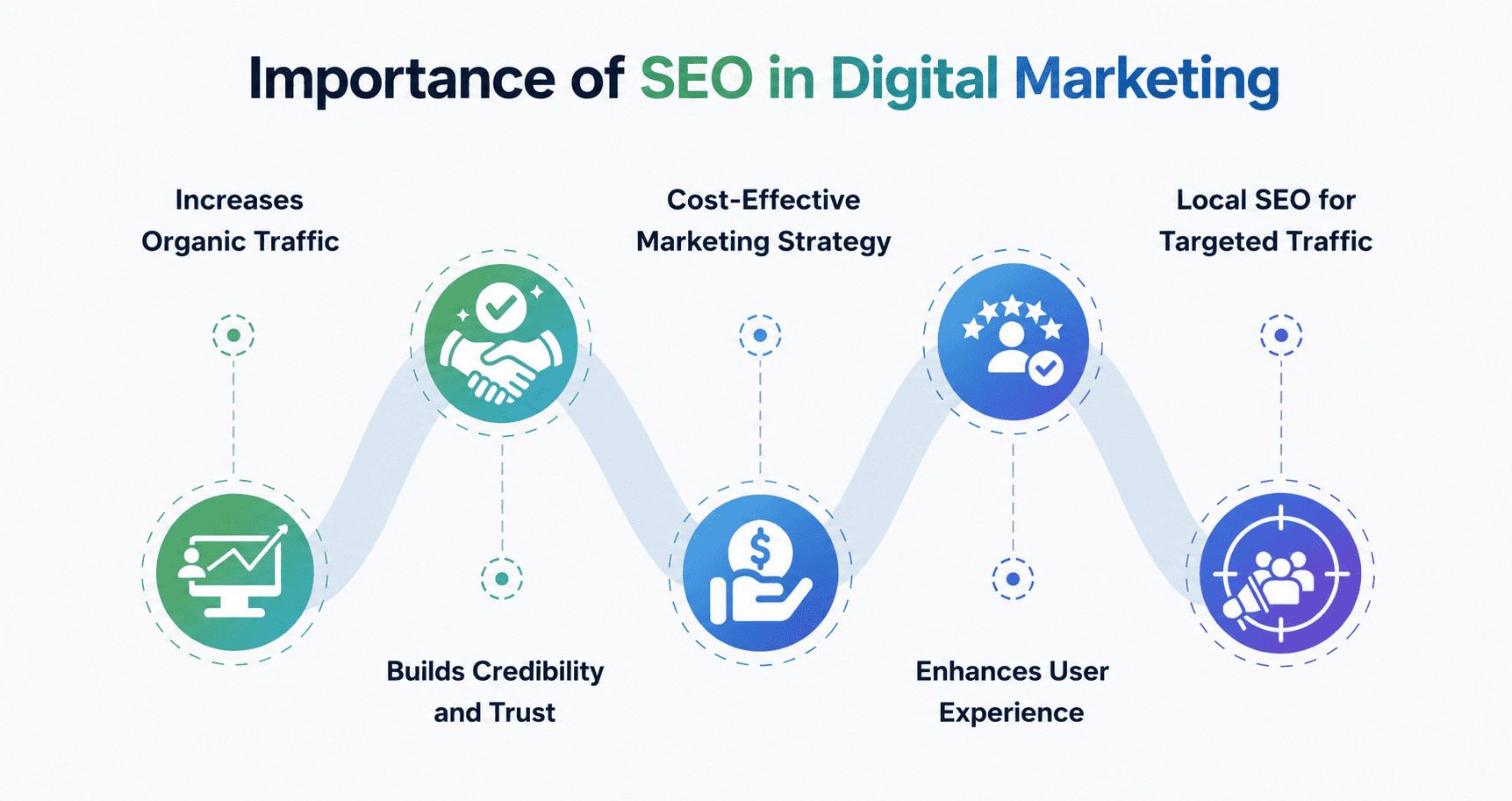
In today’s digital age, Search Engine Optimization (SEO) has become a crucial component of any successful marketing strategy. SEO is the practice of optimizing your website to rank higher in search engine results pages, increasing organic traffic and visibility.
With millions of websites competing for attention online, having a strong SEO strategy can make all the difference in driving traffic to your site and reaching your target audience. By incorporating relevant keywords, creating high-quality content, and optimizing your website’s structure, you can improve your search engine rankings and attract more potential customers.
One of the key benefits of SEO is its cost-effectiveness compared to traditional advertising methods. By focusing on organic search results, businesses can generate long-term traffic without having to pay for each click or impression. This makes SEO a sustainable and valuable investment for businesses looking to increase their online presence.
Furthermore, SEO allows you to build credibility and trust with your audience. When your website appears at the top of search results for relevant queries, users are more likely to perceive your brand as authoritative and trustworthy. This can lead to higher conversion rates and increased brand loyalty over time.
As search engines continue to evolve and prioritize user experience, staying up-to-date with the latest SEO trends and best practices is essential for maintaining a competitive edge. By partnering with experienced SEO professionals or investing in ongoing training, businesses can adapt their strategies to meet the ever-changing demands of the digital landscape.
In conclusion, SEO plays a vital role in modern marketing strategies by helping businesses improve their online visibility, attract quality traffic, and build brand credibility. By embracing the power of SEO and implementing effective tactics, businesses can position themselves for success in an increasingly competitive online marketplace.
To enhance the effectiveness of your SEO strategy, it is essential to conduct thorough keyword research to target relevant search terms. By identifying the specific keywords and phrases that your target audience is using to search for products or services like yours, you can optimize your website content accordingly. This targeted approach not only improves your search engine rankings but also ensures that you are attracting qualified traffic that is more likely to convert into customers. Conducting keyword research is a foundational step in any successful SEO campaign and can significantly impact the visibility and success of your online presence.
To enhance your website’s search engine visibility and user experience, it is crucial to optimize on-page elements such as title tags, meta descriptions, and headings. These elements provide valuable context to search engines about the content of your web pages, helping them understand the relevance of your site to user queries. By strategically incorporating relevant keywords and compelling language into these on-page elements, you can improve your site’s chances of ranking higher in search results and attracting more organic traffic. Effective optimization of on-page elements is a fundamental aspect of SEO that can significantly impact the overall performance and success of your digital marketing efforts.
Creating high-quality, engaging content that offers value to your audience is a fundamental tip in SEO marketing. By producing content that is informative, relevant, and tailored to address the needs and interests of your target audience, you can not only attract more visitors to your website but also establish credibility and trust with potential customers. Quality content not only helps improve your search engine rankings but also encourages user engagement, leading to increased brand awareness and loyalty. In today’s competitive digital landscape, providing valuable content is key to standing out and connecting with your audience on a deeper level.
Building backlinks from reputable websites is a crucial aspect of SEO that can significantly enhance your site’s authority and search engine rankings. When high-quality websites link back to your content, search engines view your site as more trustworthy and relevant, which can lead to higher visibility in search results. By establishing strong relationships with reputable sources and creating valuable, shareable content, you can attract natural backlinks that not only boost your site’s authority but also drive organic traffic to your website. Incorporating a strategic backlinking strategy into your SEO efforts can help establish your site as a credible source within your industry and improve overall online visibility.
Ensuring that your website is mobile-friendly is a crucial tip for enhancing user experience and improving SEO rankings. With the increasing number of users accessing websites on mobile devices, having a responsive design that adapts seamlessly to different screen sizes is essential. A mobile-friendly website not only provides a better browsing experience for visitors but also signals to search engines like Google that your site is optimized for all users, which can positively impact your search rankings. By prioritizing mobile responsiveness, you can enhance user engagement, reduce bounce rates, and ultimately drive more traffic to your site through improved SEO performance.
Monitoring your SEO performance regularly and making adjustments based on data analysis is a critical tip for successful marketing strategies. By tracking key metrics such as website traffic, keyword rankings, and conversion rates, you can gain valuable insights into the effectiveness of your SEO efforts. Analyzing this data allows you to identify areas for improvement, capitalize on opportunities, and stay ahead of competitors in the ever-evolving digital landscape. By staying proactive and responsive to changes in search engine algorithms and user behavior, you can optimize your SEO strategy for maximum impact and long-term success.
