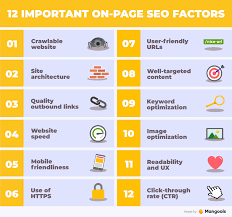
On Page SEO Optimization: A Practical Guide to Better Rankings

on page seo optimization

On Page SEO Optimization: A Practical Guide to Better Rankings

On-Page SEO Optimization: A Practical Guide

On-page SEO optimization is the process of improving individual web pages so search engines can understand their content and visitors can find the information they need. It includes both the words on a page and elements in its HTML, such as title tags, headings, image descriptions, and links.

Strong on-page SEO can make a page more relevant to search queries and easier to use. It does not guarantee a particular ranking, but it helps create a clear, useful experience for both people and search engines.

Match the Page to Search Intent

Before writing or updating a page, consider what someone is hoping to accomplish when they search for your topic. They may want an explanation, a comparison, a product, or a specific service. The page should meet that need directly.

For example, someone searching for “how to clean a coffee maker” likely wants step-by-step instructions, while someone searching for “coffee maker repair near me” is probably looking for a local service. A page that matches the searcher’s goal is more useful than one that simply repeats the same keyword.

Choose a Clear Primary Topic

Identify the main topic of the page and use related terms naturally. Keyword research can help reveal how people describe a subject, but keywords should guide the content—not dictate awkward wording.

Avoid keyword stuffing, or unnaturally repeating a phrase in an attempt to influence rankings. Instead, use clear language, answer related questions, and include relevant details that help readers understand the topic.

Write a Descriptive Title Tag

The title tag is an HTML element that can appear as the clickable headline in search results and in a browser tab. Write a distinct, concise title that accurately describes the page. Include the main topic when it fits naturally, and avoid vague or repetitive titles.

For example, “On-Page SEO: A Practical Optimization Guide” is more informative than “SEO Tips.” Search engines may display a different title in results, so write for clarity rather than relying on a fixed character limit.

Create a Useful Meta Description

A meta description summarizes a page and may appear beneath its title in search results. It is not a direct ranking factor, but a clear summary can help people decide whether the page is relevant to them.

Describe what readers will learn or be able to do. Keep the description specific to the page, avoid exaggerated promises, and do not use the same description across an entire website.

Organize Content with Headings

Headings make a page easier to scan and help organize its ideas. Use one clear main heading, typically an h1, followed by descriptive subheadings such as h2 and h3 where appropriate.

Headings should reflect the content that follows. They are not just a place to insert keywords, and they should follow a logical structure rather than being chosen for their visual size.

Make the Content Helpful and Easy to Read

Good on-page SEO starts with content that serves the reader. Explain the topic accurately, provide enough detail to answer the likely questions, and make important information easy to find. Use short paragraphs, descriptive lists, examples, and plain language when they improve readability.

Review content for accuracy, outdated information, and unnecessary repetition. Add original insight where possible, and make sure the page offers value beyond what a visitor could get from a generic summary.

Use Clean, Descriptive URLs

A readable URL gives visitors and search engines a clue about a page’s subject. Keep it concise, use words that describe the content, and separate words with hyphens. Avoid long strings of numbers or unnecessary parameters when a simpler URL will work.

Changing an established URL can affect visitors and search visibility. If a URL must change, set up an appropriate redirect and update internal links that point to the old address.

Optimize Images

Images can make a page clearer and more engaging, but large files may slow it down. Use appropriately sized images and modern file formats when supported. Give image files descriptive names when practical.

Write alternative text, or alt text, to describe an image when that description helps people using screen readers understand its purpose. If an image is purely decorative, it may need empty alt text. Alt text should describe the image, not serve as a place to insert extra keywords.

Add Relevant Internal Links

Internal links connect one page on your website to another. They help visitors discover related information and can help search engines find and understand pages across your site.

Link to pages that are genuinely useful in context. Use descriptive anchor text—such as “read our guide to local SEO”—instead of vague text like “click here” whenever possible. Check links periodically to find broken or outdated destinations.

Consider Structured Data

Structured data is code that describes information on a page in a format search engines can interpret. Depending on the page and the type of structured data used, it may help search engines understand details such as a product, organization, or event.

Structured data does not guarantee enhanced search results. It should accurately reflect visible page content and follow the relevant search engine guidelines. Test the markup with available validation tools before publishing.

Support a Good Page Experience

Visitors should be able to use a page comfortably on phones, tablets, and computers. Make text readable, keep navigation clear, and avoid intrusive elements that block the main content. Pay attention to loading speed and layout stability as part of the broader experience.

Page experience involves more than on-page SEO, but it matters because a page that is difficult to use can frustrate visitors. Review important pages on multiple devices and fix issues that interfere with reading or completing a task.

Measure and Improve

On-page optimization is an ongoing process. Review performance using tools such as Google Search Console and website analytics. Look at which queries bring visitors to a page, whether the page is earning impressions, and whether visitors are taking the actions that matter to your organization.

Use the data to identify opportunities, but avoid making changes based on a single short-term fluctuation. Update pages when information changes, when readers need clearer answers, or when performance data points to a meaningful improvement.

On-Page SEO Checklist

  • The page serves a clear audience and matches the likely search intent.
  • The title tag and main heading accurately describe the page.
  • The content is useful, well organized, and easy to read.
  • Keywords and related terms appear naturally.
  • The URL is clear and descriptive.
  • Images are appropriately sized and have suitable alt text.
  • Relevant internal links help visitors explore related content.
  • The page works well on mobile devices and is easy to navigate.
  • Any structured data is accurate and supported by visible content.
  • The page is reviewed and updated as needed.

Conclusion

Effective on-page SEO is not about checking off isolated technical tasks or repeating a keyword as often as possible. It is about making each page clear, relevant, accessible, and genuinely useful. Start with the reader’s needs, organize the information carefully, and use page elements—such as titles, headings, images, and links—to support that experience.


9 Key Benefits of On-Page SEO Optimization for Enhanced Visibility and Engagement

  1. Improves search visibility
  2. Targets relevant keywords
  3. Enhances user experience
  4. Makes content easier to scan
  5. Helps search engines understand pages
  6. Supports stronger click-through rates
  7. Improves internal navigation
  8. Optimizes images for discovery
  9. Encourages more qualified traffic


6 Drawbacks of On-Page SEO Optimization You Should Know

  1. Can be time-consuming to implement.
  2. Results may take time to appear.
  3. Frequent updates may be needed.
  4. Keyword overuse can hurt readability.
  5. Technical changes may require expertise.
  6. Does not guarantee higher rankings.

Improves search visibility

On-page SEO optimization can improve your website’s search visibility by helping search engines understand what each page is about and how it relates to relevant searches. Clear titles, descriptive headings, useful content, and well-organized links make it easier for search engines to interpret your pages. When your content closely matches what people are looking for, it has a better chance of appearing in relevant search results and reaching more potential visitors.

Targets relevant keywords

On-page SEO optimization helps a page target relevant keywords by aligning its title, headings, and content with the terms people use when searching. When these keywords are included naturally and match the searcher’s intent, search engines can better understand the page, and visitors are more likely to find information that meets their needs.

Enhances user experience

On-page SEO optimization enhances the user experience by making web pages easier to navigate, understand, and use. Clear headings, helpful content, descriptive links, optimized images, and mobile-friendly layouts help visitors quickly find the information they need. When a page is organized around users’ needs, it can feel more useful and encourage visitors to stay engaged.

Makes content easier to scan

On-page SEO optimization makes content easier to scan by organizing information with clear headings, concise paragraphs, descriptive lists, and helpful links. Visitors can quickly find the sections they care about, understand the page’s structure, and decide what to read next. This improves the browsing experience, especially for people using mobile devices or looking for a specific answer.

Helps search engines understand pages

On-page SEO optimization helps search engines understand what a page is about by organizing its content and using clear signals such as descriptive titles, headings, text, image alt text, and internal links. When these elements accurately reflect the page’s topic, search engines can more easily interpret its information and connect it with relevant searches. This can also help visitors quickly see that the page addresses their needs.

Supports stronger click-through rates

On-page SEO optimization can support stronger click-through rates by making search listings more relevant and appealing to potential visitors. Clear title tags and helpful meta descriptions set accurate expectations, while well-structured content and eligible structured data may help search engines display useful details in results. When people can quickly see that a page matches what they’re looking for, they may be more likely to click.

Improves internal navigation

On-page SEO optimization improves internal navigation by organizing content and connecting related pages with clear, relevant links. Descriptive link text helps visitors understand where a link will take them, while a logical page structure makes it easier to find important information. Strong internal navigation can also help search engines discover and understand more of your website, creating a smoother experience for users as they explore.

Optimizes images for discovery

On-page SEO optimization helps make images easier for search engines and visitors to discover. Descriptive file names, relevant alt text, and helpful surrounding content give search engines context about what an image shows. Optimized image sizes can also improve page loading speed, while clear descriptions support people using screen readers. Together, these practices can help images appear in relevant image search results and make your website more accessible and user-friendly.

Encourages more qualified traffic

On-page SEO optimization helps attract more qualified traffic by aligning your page’s content, titles, headings, and keywords with what your ideal customers are actually searching for. When a page clearly addresses a specific need or question, it is more likely to reach people who are interested in your products, services, or expertise. This can bring visitors who are more likely to engage with your content, contact your business, or make a purchase.

Can be time-consuming to implement.

On-page SEO optimization can be time-consuming to implement, especially across a large website. Reviewing content, updating titles and headings, improving internal links, optimizing images, and checking technical details all take careful work. The process may also require ongoing updates as pages, products, and search behavior change, so businesses need to plan for regular maintenance rather than treating SEO as a one-time task.

Results may take time to appear.

One drawback of on-page SEO optimization is that results may take time to appear. Search engines need to crawl and evaluate updated pages, and improvements in visibility or traffic may develop gradually rather than immediately. The timeline can vary based on factors such as competition, website authority, and how often a site is crawled, so businesses should treat on-page SEO as an ongoing effort and avoid expecting instant results.

Frequent updates may be needed.

One potential drawback of on-page SEO optimization is that it often requires frequent updates. Search trends, business offerings, and search engine guidelines can change, so content, keywords, links, and page details may need regular review to stay accurate and relevant. This ongoing maintenance can take time and resources, especially for websites with many pages.

Keyword overuse can hurt readability.

Keyword overuse can make a page sound unnatural and difficult to read. When the same phrases are repeated too often, sentences may feel forced, important ideas can get buried, and visitors may lose trust in the content. Search engines can also recognize keyword stuffing, so it’s better to use relevant terms naturally and focus on giving readers clear, useful information.

Technical changes may require expertise.

One potential drawback of on-page SEO optimization is that some technical changes may require specialized expertise. Tasks such as editing site code, adding structured data, improving page speed, or fixing indexing issues can be challenging without development or SEO experience. Making changes incorrectly may affect how a page looks or functions, so businesses may need to invest time in training or hire a qualified professional.

Does not guarantee higher rankings.

On-page SEO optimization can make a webpage clearer, more useful, and easier for search engines to understand, but it does not guarantee higher rankings. Search results are influenced by many factors, including competition, site authority, technical performance, and changes to search algorithms. Even well-optimized content may take time to gain visibility—or may not rank as highly as expected—so on-page improvements work best as part of a broader SEO strategy.

Leave a Reply

Your email address will not be published. Required fields are marked *

Time limit exceeded. Please complete the captcha once again.