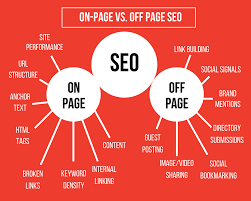
When it comes to digital marketing, on-page optimization plays a crucial role in improving your website’s visibility and ranking on search engine results pages. On-page optimization refers to the practice of optimizing individual web pages to rank higher and earn more relevant traffic in search engines.
Here are some key reasons why on-page optimization is essential for your digital marketing strategy:
By optimizing your on-page elements such as title tags, meta descriptions, headings, and content with relevant keywords, you can improve your website’s chances of ranking higher in search engine results. This helps increase your visibility and attract more organic traffic to your site.
On-page optimization also focuses on improving the overall user experience of your website visitors. By creating high-quality content, optimizing page load times, and ensuring mobile responsiveness, you can provide a seamless browsing experience that keeps users engaged and encourages them to explore further.
Optimizing your web pages with specific keywords related to your products or services helps target the right audience who are actively searching for what you offer. This increases the likelihood of attracting qualified leads and converting them into customers.
Well-optimized landing pages with clear calls-to-action can significantly improve conversion rates. By guiding visitors through a structured layout that highlights key information and prompts them to take action, you can increase the chances of turning prospects into customers.
In today’s competitive digital landscape, effective on-page optimization sets you apart from competitors by making your website more visible and relevant to search engines. By staying updated with best practices and continuously refining your on-page strategies, you can stay ahead in the game.
In conclusion, on-page optimization is a fundamental aspect of digital marketing that directly impacts your website’s performance and success online. By implementing strategic optimizations tailored to both search engines and users, you can achieve higher rankings, increased traffic, improved user engagement, and ultimately drive conversions for your business.
Including relevant keywords in your title tags and meta descriptions is a crucial on-page optimization tip in digital marketing. By strategically incorporating targeted keywords into these elements, you can signal to search engines what your web page is about and improve its chances of ranking higher in search results. Title tags and meta descriptions serve as the first impression for users when they come across your website in search engine listings, making it essential to craft compelling and keyword-rich content that entices clicks and drives organic traffic to your site. This practice not only enhances visibility but also boosts the overall relevance and authority of your web pages, contributing to a more effective digital marketing strategy.
In the realm of on-page optimization in digital marketing, a valuable tip is to optimize your images by utilizing descriptive filenames and alt text. When search engines crawl your website, they rely on these elements to understand the content of your images. By incorporating relevant keywords into your image filenames and alt text, you not only enhance the accessibility of your website for visually impaired users but also improve the chances of your images appearing in search engine results. This simple yet effective practice can contribute significantly to boosting your website’s visibility and overall SEO performance.
Creating high-quality, engaging content that provides value to your audience is a key tip for successful on-page optimization in digital marketing. By crafting content that is informative, relevant, and compelling, you not only attract visitors to your website but also keep them engaged and interested in what you have to offer. Valuable content establishes your authority in your industry, builds trust with your audience, and encourages social sharing and backlinks – all of which contribute to improved search engine rankings and increased organic traffic. Remember, quality content is the foundation of a successful digital marketing strategy that resonates with your target audience and drives meaningful results for your business.
Optimizing website loading speed is a critical aspect of on-page optimization in digital marketing. By improving the speed at which your website loads, you not only enhance the user experience by providing visitors with faster access to your content but also boost your SEO ranking. Search engines like Google prioritize websites that load quickly because they understand the importance of delivering a seamless browsing experience to users. Therefore, by focusing on optimizing your website’s loading speed, you can significantly improve both user satisfaction and your website’s visibility in search engine results, ultimately leading to increased traffic and better performance online.
Utilizing internal linking is a powerful on-page optimization strategy in digital marketing that enhances user experience and boosts SEO performance. By strategically connecting related content within your website through internal links, you not only guide visitors to relevant information but also help search engines understand the structure and hierarchy of your site. This practice not only keeps users engaged by providing them with additional valuable resources but also distributes link equity throughout your website, ultimately improving overall visibility and authority.
