
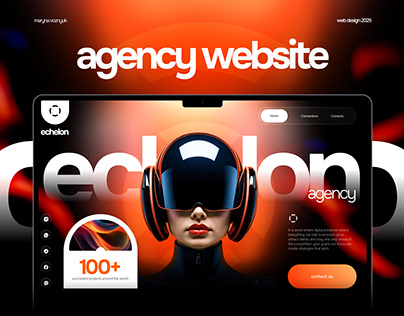
What Makes a Great Digital Agency Website?
A digital agency website is more than an online brochure. It is a central place to explain what the agency does, show the quality of its work, and help potential clients take the next step. A well-planned site can build trust, answer important questions, and turn qualified visitors into inquiries.
Whether an agency specializes in web design, search engine optimization, paid advertising, content, or a combination of services, its website should make the value of working with the team clear. Here are the essential elements of an effective digital agency website.
A Clear Value Proposition
Visitors should quickly understand who the agency helps, what it offers, and what makes its approach distinctive. A concise headline and supporting message can communicate this without relying on vague claims or industry jargon.
For example, an agency might explain that it helps local service businesses generate more qualified leads through search marketing and conversion-focused websites. Specific language gives prospective clients a clearer reason to keep exploring.
Easy-to-Understand Services
List services in a way that makes sense to prospective clients, not just industry professionals. Explain what each service includes, who it is suited for, and how it can support a business goal.
- Web design and development: Websites designed to be useful, accessible, and easy to navigate.
- Search engine optimization: Strategies to improve a site’s visibility in organic search results.
- Paid advertising: Campaign planning and management across relevant advertising platforms.
- Content marketing: Helpful, audience-focused content that supports awareness and decision-making.
- Analytics and reporting: Measurement that helps clients understand performance and plan next steps.
Dedicated service pages can provide more detail than a single overview page. They also give visitors a direct path to information that matches their needs.
A Portfolio That Shows the Work
A portfolio helps visitors evaluate an agency’s experience and creative approach. Instead of presenting images or project names alone, include context about the client’s goals, the work completed, and the outcome when reliable data is available.
Case studies are especially useful because they show how an agency approaches challenges. Be transparent about the agency’s role, the timeframe, and any factors that influenced the results. Clear, credible examples are more persuasive than unsupported promises.
Trust-Building Details
Hiring a digital agency involves time, money, and access to important business information. A website can help reduce uncertainty by providing details such as:
- Client testimonials or references, shared with permission
- Relevant experience and areas of specialization
- Information about the team and its working process
- Clear explanations of project scope and communication
- Accurate contact information and business details
Trust is built through consistency and transparency. Avoid inflated guarantees, unclear pricing claims, or testimonials that cannot be verified.
A Straightforward Path to Contact
Every key page should make it easy for visitors to take a useful next step. Calls to action such as “Request a consultation” or “Discuss your project” are more informative than generic buttons that simply say “Click here.”
Keep contact forms focused. Asking for a name, email address, company, and a short description of the project may be enough to start a conversation. If a form requests more information, explain why it is needed and how the information will be handled.
Strong User Experience
An agency website should be easy to use on phones, tablets, and desktop computers. Clear navigation, readable text, descriptive headings, and visible links help visitors find information without unnecessary effort.
Performance matters, too. Large images, unnecessary scripts, and poorly optimized pages can slow down a site. Compressing images, limiting redundant features, and testing pages on different devices can improve the experience.
Useful, Search-Friendly Content
Search engine optimization begins with content that answers real questions. Service pages, case studies, and educational articles can help potential clients understand their options while making the site more relevant to search queries.
Use page titles and headings that accurately describe the content. Organize information logically, write descriptive link text, and include relevant keywords naturally. Search-focused content should still be written for people first.
Accessibility and Inclusive Design
An accessible website is easier for more people to use. Helpful practices include adding alternative text to meaningful images, providing sufficient color contrast, using clear form labels, and supporting keyboard navigation. Accessible design also encourages a more thoughtful and consistent user experience.
A Realistic Approach to Results
Digital marketing outcomes depend on many factors, including a business’s market, budget, competition, website, and timeline. A credible agency website explains its methods and how progress is measured rather than guaranteeing outcomes that cannot be assured.
It can also describe the reporting process: which metrics are reviewed, how often updates are shared, and how strategy may change based on performance. This helps set expectations before a project begins.
Ongoing Maintenance
A website needs attention after launch. Software updates, security checks, broken-link reviews, content updates, and performance monitoring help keep it accurate and reliable. Agencies should also review their own website periodically to ensure that service information, examples, and contact details are current.
Final Thoughts
An effective digital agency website combines clear messaging, useful service information, credible examples, and an easy path to contact. It should reflect the agency’s capabilities while focusing on the questions prospective clients are trying to answer.
When the site is informative, accessible, and straightforward to navigate, it becomes more than a showcase. It becomes a practical tool for building confidence and starting productive client conversations.