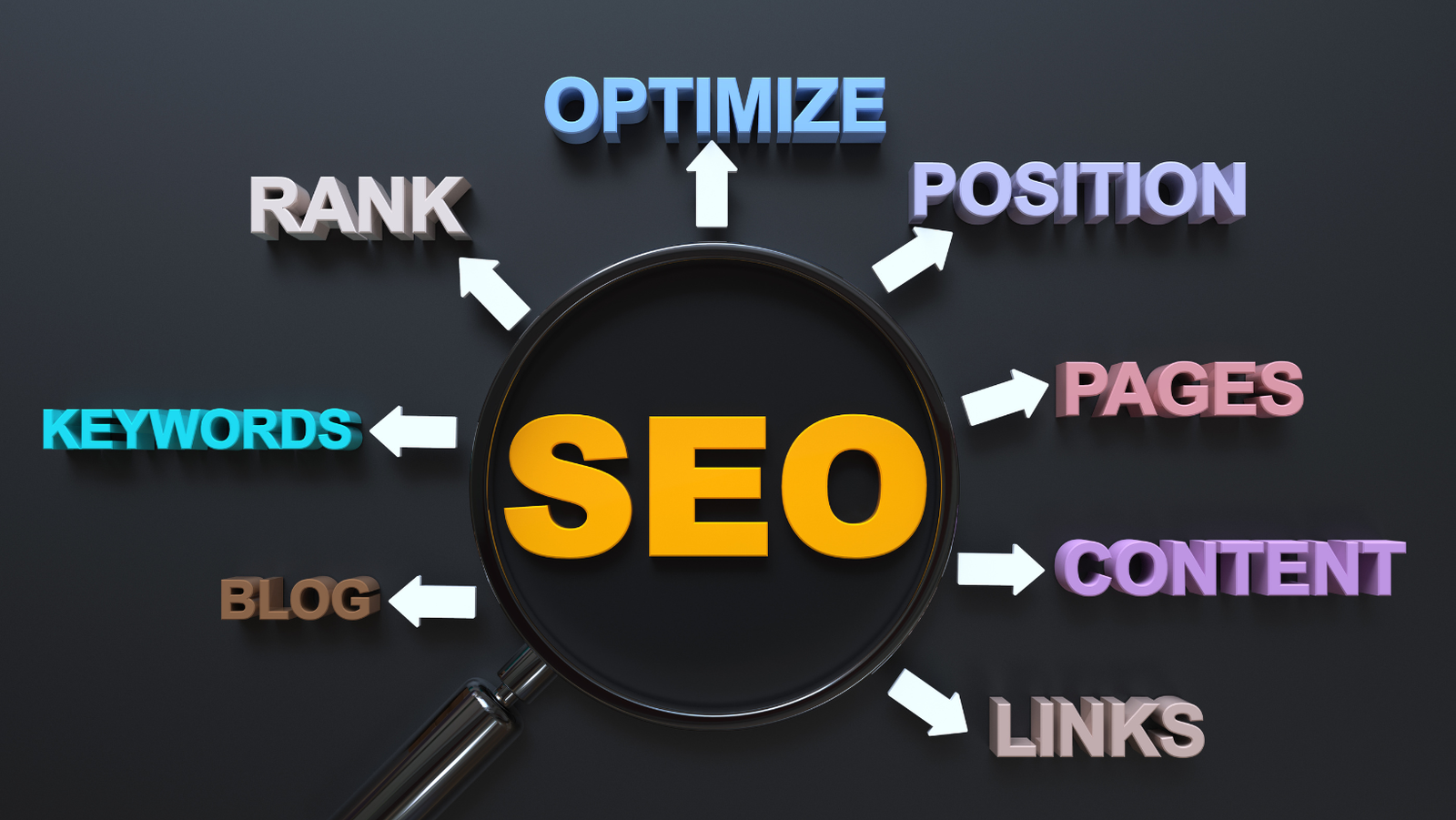
Search engine optimization (SEO) promotion is the process of improving a website’s visibility in search results and attracting more relevant visitors. It combines technical improvements, useful content, and strategies for building trust and authority over time. Unlike paid advertising, SEO can continue to bring traffic after the initial work is complete, although results typically take time and ongoing attention.
Effective SEO promotion is not a single tactic. It brings together several areas of work to help search engines understand a website and help visitors find what they need.
Good SEO begins with understanding potential customers—not simply collecting popular keywords. Consider what they are trying to accomplish, what questions they ask, and what information would help them make a decision. A person searching for general advice may need an educational guide, while someone searching for a nearby service may be ready to contact a business.
Match each important page to a clear purpose and search intent. This makes content more useful to visitors and gives search engines a stronger indication of when the page may be relevant.
Content should be written for people first. Provide direct answers, explain unfamiliar terms, and organize information with descriptive headings. Use relevant search phrases naturally, but avoid repeating keywords unnaturally or creating pages that offer little original value.
Strong content also needs maintenance. Review important pages periodically to correct outdated details, improve unclear sections, and add information when customer needs or industry practices change. Internal links can guide readers to related resources and help search engines discover other pages on the site.
Even excellent content can struggle if a website is difficult to access or use. Check that important pages can be crawled and indexed, links work correctly, and the site performs well on phones and computers. Improve page speed where possible, use HTTPS, and keep navigation straightforward.
Technical SEO does not mean making a website complicated. The goal is to remove obstacles so visitors can use the site and search engines can interpret it.
Promotion can help useful content reach more people. Share resources through appropriate social channels, email newsletters, industry communities, and partnerships. For local businesses, keep business name, address, phone number, hours, and service details accurate wherever they appear.
Focus on earning links and mentions by offering something worth referencing, such as original research, practical guides, helpful tools, or expert insight. Avoid schemes that promise instant rankings through purchased links, automated submissions, or mass-produced content. These tactics can undermine trust and may put a site at risk of search-engine penalties.
SEO is an ongoing process, so track meaningful indicators rather than relying on one ranking or traffic number. Useful measures may include organic visits, search impressions, clicks, leads, sales, and the performance of key landing pages. Review changes over time and consider whether the traffic is reaching the right audience and supporting business goals.
When a page receives impressions but few clicks, its title and description may need improvement. If visitors arrive but do not take action, the page may need clearer information, a stronger next step, or a better user experience. Use performance data to guide decisions rather than making changes based on guesswork alone.
Search engine optimization promotion works best when it is treated as a long-term investment. Results depend on competition, website history, industry, and the quality and consistency of the work. A practical plan starts with the most important technical issues, focuses on pages that support business goals, and expands as results and customer needs become clearer.
By combining helpful content, a reliable website, responsible promotion, and regular measurement, businesses can strengthen their search visibility and create a better experience for the people they want to reach.
Promote your website on search engines by making it easy to find, understand, and use. Research the terms your audience searches for, then create helpful pages that answer their questions and use those terms naturally in page titles, headings, and content. Make sure your site works well on mobile, loads quickly, uses HTTPS, and can be crawled and indexed. Share useful content through relevant channels and earn reputable links by providing information others want to reference. If you serve a local area, keep your business details accurate across online listings. Track impressions, clicks, traffic, and leads, then update your strategy based on what works; SEO takes time and usually requires ongoing effort.
Promote your website through SEO by first researching the words and questions your target audience searches for, then creating useful, original pages that address those needs. Optimize page titles, headings, descriptions, URLs, and internal links, and make sure your site is fast, mobile-friendly, secure, and easy for search engines to crawl. Share helpful content through relevant channels and earn links and mentions naturally from reputable websites. Track organic traffic, search impressions, leads, and sales, then refine your strategy over time—SEO usually takes consistent effort rather than delivering instant results.
Promote your SEO by creating helpful, well-structured content that answers the questions your audience is searching for, using relevant keywords naturally, and improving your website’s speed, mobile usability, and technical health. Share useful pages through email, social media, and industry communities, and build relationships that can lead to genuine mentions and links from reputable websites. If you serve a local area, keep your business information accurate across online directories and encourage satisfied customers to leave honest reviews. Track organic traffic, search impressions, leads, and sales regularly so you can see what’s working and refine your approach over time.
The 80/20 rule of SEO applies the Pareto principle: a relatively small share of your SEO efforts may generate a large share of your results. For example, a few high-potential pages, relevant keywords, or technical fixes might drive much of your organic traffic or leads. The exact numbers are not guaranteed, so use analytics to identify what is performing well, prioritize improvements with the greatest potential impact, and keep refining your strategy over time.
SEO isn’t dead in 2026—it’s evolving as search expands beyond traditional results to include AI-generated answers, richer summaries, and more conversational queries. The fundamentals still matter: useful, trustworthy content, strong technical performance, and a positive user experience. What’s changing is the need to make information clear, credible, and easy for both people and search systems to understand, while measuring visibility and business outcomes across more than just rankings.
SEO in promotion means using search engine optimization to increase a website’s visibility in unpaid search results. It involves improving website content, structure, and technical performance so search engines can understand the site and connect it with relevant searches. The goal is to attract more qualified visitors over time and support broader marketing objectives.
The four commonly recognized stages of SEO are technical SEO, on-page SEO, content optimization, and off-page SEO. Technical SEO helps search engines crawl and index a fast, secure, mobile-friendly website. On-page SEO improves page elements such as titles, headings, URLs, and internal links. Content optimization creates useful, relevant pages that match what people are searching for. Off-page SEO builds a site’s reputation through credible links, mentions, and other signals of trust. These stages work together, and the exact framework may vary by SEO professional or business.
Promotion in SEO is the work of increasing a website’s visibility in organic search results and attracting relevant visitors. It includes researching search terms, creating and improving useful content, making the site technically accessible, and building its credibility through reputable links and mentions. SEO promotion is an ongoing process—not a guarantee of a specific ranking—and its goal is to help the right people find valuable pages when they search.
Yes, SEO is still relevant in 2023 because people continue to use search engines to find information, compare options, and discover businesses. Search results and user expectations keep evolving, so effective SEO means more than adding keywords: it involves publishing helpful, trustworthy content, providing a fast and mobile-friendly website, and making pages easy to navigate. While SEO takes time and does not guarantee specific rankings, it can help businesses attract relevant organic traffic and support their long-term online visibility.
