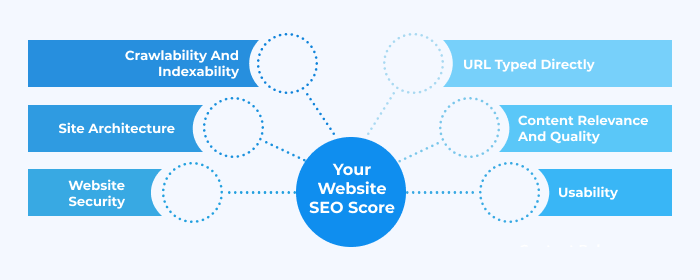
When it comes to optimizing your website for search engines, on-site SEO plays a crucial role in improving your site’s visibility and ranking. On-site SEO involves optimizing various elements on your website to make it more search engine friendly and user-friendly.
One of the key aspects of on-site SEO is optimizing your website’s meta tags, including title tags, meta descriptions, and header tags. These tags provide search engines with important information about the content of your pages, helping them understand the relevance of your site to users’ search queries.
Another important element of on-site SEO is optimizing your website’s URL structure. A clean and descriptive URL not only helps search engines better understand the content of your pages but also makes it easier for users to navigate your site.
Optimizing your website’s internal linking structure is also essential for on-site SEO. By creating a logical hierarchy of links between pages on your site, you can help search engines discover and index all of your content more efficiently.
Additionally, optimizing your website’s images with descriptive alt text and file names can help improve accessibility for visually impaired users and provide additional context for search engines.
Overall, investing time and effort into optimizing your website for on-site SEO can have a significant impact on its performance in search engine results. By following best practices and staying up-to-date with the latest trends in on-site optimization, you can ensure that your website remains competitive in the ever-evolving digital landscape.
On-site SEO, also known as on-page SEO, refers to the practice of optimizing various elements within a website to improve its visibility and ranking on search engine results pages. This includes optimizing meta tags, URL structures, internal linking, and image descriptions to make the website more search engine friendly and user-friendly. By focusing on on-site SEO, website owners can enhance their chances of being discovered by search engines and attract more organic traffic to their site. It is an essential aspect of any digital marketing strategy aimed at improving a website’s online presence and performance.
On-site SEO is crucial for your website because it directly impacts how search engines perceive and rank your site in search results. By optimizing various on-site elements such as meta tags, URL structure, internal linking, and image optimization, you are providing search engines with valuable information about your content and making it easier for them to crawl and index your site. A well-optimized website not only improves its visibility in search engine results but also enhances the user experience by making it more accessible and user-friendly. Ultimately, investing in on-site SEO helps increase organic traffic to your site, boosts your online presence, and drives potential customers to engage with your content or services.
Optimizing meta tags is a crucial aspect of on-site SEO that can significantly impact your website’s visibility in search engine results. To optimize meta tags effectively, start by crafting unique and descriptive title tags for each page, incorporating relevant keywords to help search engines understand the content of the page. Meta descriptions should be compelling and concise, providing a summary of the page’s content to entice users to click through. Utilizing header tags (H1, H2, etc.) appropriately can also enhance the structure and readability of your content for both users and search engines. Regularly reviewing and updating your meta tags based on performance data and industry trends is key to maintaining a strong on-site SEO strategy.
When it comes to URL structure in on-site SEO, following best practices is essential for optimizing your website’s visibility and ranking in search engine results. A clean and descriptive URL that includes relevant keywords can help search engines understand the content of your pages better and improve user experience. It is recommended to keep URLs short, readable, and free of unnecessary parameters or symbols. Using hyphens to separate words in the URL, avoiding special characters, and incorporating target keywords can all contribute to a well-structured URL that enhances SEO performance. Additionally, creating a logical hierarchy of URLs that reflects the organization of your website’s content can further improve navigation for both users and search engines. By adhering to these best practices for URL structure, you can enhance the overall effectiveness of your on-site SEO efforts.
Internal links play a crucial role in on-site SEO by establishing a connection between different pages within a website. These links help search engines understand the structure and hierarchy of a site, as well as the relationship between its various pages. By strategically placing internal links throughout a website, webmasters can guide search engine crawlers to important pages, distribute link equity, and improve the overall crawlability and indexation of their content. Internal links also help users navigate a website more easily, leading to improved user experience and engagement. In essence, internal links are a powerful tool for enhancing on-site SEO efforts and maximizing the visibility and relevance of a website’s content.
Optimizing images is crucial for on-site SEO because search engines cannot “see” images like humans do. By providing descriptive alt text, file names, and captions for images, you are helping search engines understand the content and context of your visuals. This not only improves the accessibility of your website for visually impaired users but also enhances the overall relevance of your content in search engine results. Properly optimized images can also contribute to faster page loading times, which is a key factor in user experience and search engine rankings. In essence, optimizing images is a fundamental aspect of on-site SEO that can significantly impact the visibility and performance of your website online.
There are several tools available to assist with on-site SEO optimization, making the process more efficient and effective. Popular tools like SEMrush, Moz Pro, Ahrefs, and Screaming Frog are commonly used by digital marketers and SEO professionals to analyze website performance, identify technical issues, conduct keyword research, track rankings, and monitor backlinks. These tools provide valuable insights and data that can guide your on-site SEO efforts, helping you make informed decisions to improve your website’s visibility and ranking in search engine results.
Regularly updating your on-site SEO strategies is essential to stay competitive in the ever-changing digital landscape. While there is no one-size-fits-all answer to how often you should update your on-site SEO strategies, it is generally recommended to review and adjust them periodically based on changes in search engine algorithms, industry trends, and your own website performance data. Keeping abreast of the latest SEO best practices and continuously optimizing your website’s content, meta tags, internal linking structure, and other elements can help ensure that your site remains visible and relevant to both search engines and users. By staying proactive and adaptable in updating your on-site SEO strategies, you can maintain a strong online presence and drive sustainable organic traffic to your website.
