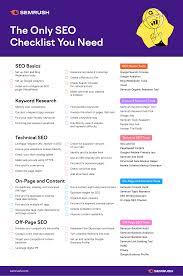
Search Engine Optimization (SEO) is a critical component of any successful online presence. By optimizing your website for search engines, you can improve your visibility, attract more organic traffic, and ultimately drive conversions. To achieve these goals, there are several key SEO tasks that every website owner should prioritize:
Keywords are the foundation of SEO. Conduct thorough keyword research to identify the terms and phrases that your target audience is searching for. Use tools like Google Keyword Planner or SEMrush to discover relevant keywords with high search volume and low competition.
Optimizing your on-page elements is essential for improving your website’s search engine rankings. Make sure to include target keywords in your page titles, meta descriptions, headers, and body content. Create unique, high-quality content that provides value to your visitors.
Technical SEO involves optimizing the technical aspects of your website to improve its performance in search engines. Ensure that your website is mobile-friendly, has fast loading times, uses HTTPS encryption, and has a clear site structure with XML sitemaps and robots.txt files.
Building high-quality backlinks from reputable websites is crucial for improving your website’s authority and search engine rankings. Focus on acquiring backlinks from relevant sources through guest posting, influencer outreach, and creating shareable content.
Regularly monitor your website’s performance using tools like Google Analytics and Google Search Console. Track key metrics such as organic traffic, keyword rankings, click-through rates, and conversion rates. Use this data to identify areas for improvement and optimize your SEO strategy accordingly.
If you have a local business, optimizing for local search is essential. Claim and optimize your Google My Business listing, ensure NAP (Name, Address, Phone Number) consistency across online directories, and solicit customer reviews to improve local search visibility.
In conclusion, prioritizing these essential SEO tasks can help you enhance your website’s visibility in search engines, attract more organic traffic, and ultimately achieve your business goals. By investing time and effort into optimizing your website for SEO, you can set yourself up for long-term success in the competitive online landscape.
Creating high-quality, relevant content for your website is a crucial SEO task that can significantly impact your online visibility and user engagement. By developing informative, valuable content that resonates with your target audience and incorporates relevant keywords, you can not only attract more organic traffic but also establish your website as a trusted resource in your industry. Search engines prioritize websites that consistently produce fresh, original content, making content creation an essential strategy for improving search engine rankings and driving conversions. Remember, quality content not only helps you attract visitors but also keeps them coming back for more, ultimately contributing to the long-term success of your SEO efforts.
To enhance your website’s search engine visibility, it is crucial to optimize your meta tags, titles, and descriptions with relevant keywords. By incorporating targeted keywords into these elements, you can improve your website’s chances of ranking higher in search engine results pages. Meta tags provide search engines with valuable information about the content of your web pages, while titles and descriptions serve as a preview for users. Ensuring that these elements are optimized with relevant keywords not only helps search engines understand the context of your content but also entices users to click through to your website. Prioritizing this SEO task can have a significant impact on driving organic traffic and increasing the overall effectiveness of your online presence.
Improving your website’s loading speed is a crucial SEO task that not only enhances user experience but also boosts your site’s performance in search engine rankings. A fast-loading website not only keeps visitors engaged and reduces bounce rates but also signals to search engines that your site provides a positive user experience. By optimizing images, minimizing code, leveraging browser caching, and investing in reliable hosting, you can significantly improve your website’s loading speed, leading to improved SEO performance and increased organic traffic. Prioritizing loading speed as part of your SEO strategy is a proactive step towards creating a seamless and efficient online experience for both users and search engines alike.
Building quality backlinks from reputable websites is a crucial SEO task that can significantly enhance your site’s authority and search engine rankings. By earning backlinks from trusted sources, you signal to search engines that your website is a valuable and credible resource within your industry. These backlinks not only drive direct referral traffic but also improve your site’s visibility in search results. Focus on establishing relationships with authoritative websites through guest posting, influencer collaborations, and creating shareable content to strengthen your backlink profile and boost your online presence.
Utilizing proper heading tags, such as H1, H2, etc., is a crucial SEO task that website owners should prioritize to effectively structure their content for search engines. By using heading tags strategically, you not only enhance the readability and organization of your content for human visitors but also provide search engines with valuable information about the hierarchy and relevance of your content. Search engines use heading tags to understand the context and key topics of your webpage, which can positively impact your search engine rankings and overall visibility online. Incorporating relevant keywords in your heading tags can further optimize your content for targeted search queries, making it easier for both users and search engines to navigate and understand the purpose of your webpage.
Regularly monitoring and analyzing your SEO performance using tools like Google Analytics and Search Console is crucial for the success of your website. These tools provide valuable insights into key metrics such as organic traffic, keyword rankings, click-through rates, and conversion rates. By tracking and analyzing this data, you can identify trends, pinpoint areas for improvement, and make informed decisions to optimize your SEO strategy. Continuous monitoring allows you to stay agile in the ever-evolving landscape of search engine algorithms, ensuring that your website remains competitive and visible to your target audience.
