Search Engine Optimization (SEO) is a crucial component of any successful digital marketing strategy. In today’s competitive online landscape, having a strong SEO foundation can make all the difference in driving organic traffic to your website and boosting your online visibility.
SEO involves optimizing your website’s content, structure, and performance to make it more attractive to search engines like Google. By implementing SEO best practices, you can improve your website’s ranking in search engine results pages (SERPs) and increase the likelihood of attracting relevant visitors who are actively searching for products or services like yours.
One of the key benefits of SEO is that it helps you target specific keywords and phrases that are relevant to your business. By incorporating these keywords strategically throughout your website content, meta tags, and URLs, you can signal to search engines what your site is about and increase the chances of ranking for those terms.
Furthermore, SEO is not just about keyword optimization. It also involves technical aspects such as improving site speed, mobile-friendliness, and user experience. Search engines prioritize websites that offer a seamless browsing experience to users, so optimizing these factors can positively impact your search engine rankings.
Another important aspect of SEO is building high-quality backlinks from reputable websites. Backlinks act as “upvotes” for your site in the eyes of search engines, signaling that other sites trust and value your content. By earning backlinks from authoritative sources, you can enhance your website’s credibility and authority in your industry.
In conclusion, investing in SEO is essential for any business looking to establish a strong online presence and attract valuable organic traffic. By implementing effective SEO strategies, you can improve your website’s visibility, drive targeted traffic to your site, and ultimately boost conversions and revenue.
Search Engine Optimization (SEO) is the practice of optimizing your website to improve its visibility and ranking in search engine results pages (SERPs). SEO is important because it helps your website attract organic traffic from search engines like Google, Bing, and Yahoo. By implementing SEO best practices such as keyword optimization, content creation, technical improvements, and link building, you can increase your website’s chances of being discovered by users searching for relevant information, products, or services. A strong SEO strategy not only boosts your online visibility but also enhances your brand’s credibility and authority in the eyes of both search engines and users. Ultimately, investing in SEO can lead to higher traffic, better user engagement, increased conversions, and long-term success for your online presence.
SEO, or Search Engine Optimization, works by optimizing various elements of a website to improve its visibility and ranking in search engine results pages (SERPs). This involves a combination of on-page optimizations, such as keyword research, content creation, and meta tag optimization, as well as off-page strategies like link building and social media promotion. Search engines use complex algorithms to determine the relevance and authority of websites in response to user queries. By aligning with these algorithms through SEO best practices, websites can increase their chances of appearing higher in search results and attracting organic traffic from users actively seeking their products or services.
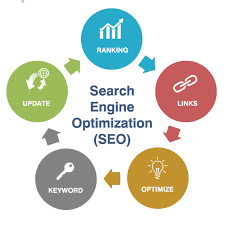
A successful SEO strategy comprises several key components that work together to enhance a website’s visibility and performance in search engine results. These components include keyword research to identify relevant search terms, on-page optimization to optimize content and meta tags, technical SEO to improve site structure and performance, quality link building to establish authority, and regular monitoring and analysis to track progress and make adjustments as needed. By integrating these essential elements into a cohesive SEO strategy, businesses can effectively improve their online presence, attract targeted traffic, and achieve sustainable growth in organic search rankings.
One frequently asked question in the realm of SEO is, “How long does it take to see results from SEO efforts?” The timeline for seeing tangible results from SEO can vary depending on various factors such as the competitiveness of your industry, the quality of your website content, and the effectiveness of your SEO strategies. In general, it may take several months to start seeing significant improvements in your search engine rankings and organic traffic. Patience is key when it comes to SEO, as it is a long-term investment that requires consistent effort and monitoring to achieve sustainable results. By focusing on creating high-quality content, optimizing your website for search engines, and building authoritative backlinks over time, you can gradually see the positive impact of your SEO efforts on your online visibility and business growth.
When it comes to Search Engine Optimization (SEO), understanding the distinctions between on-page and off-page SEO is crucial. On-page SEO refers to optimizing elements within your website itself, such as content, meta tags, headings, and internal linking structure, to improve its search engine visibility. In contrast, off-page SEO focuses on external factors like backlinks, social media signals, and online reputation management to enhance your site’s authority and credibility in the eyes of search engines. While on-page SEO ensures that your website is optimized for relevant keywords and user experience, off-page SEO plays a vital role in building relationships with other reputable sites and increasing your site’s overall trustworthiness in the digital landscape. Both on-page and off-page SEO are essential components of a comprehensive SEO strategy that can help boost your website’s rankings and attract valuable organic traffic.
To improve your website’s ranking in search engine results pages (SERPs), it is essential to focus on implementing effective SEO strategies. Start by conducting keyword research to identify relevant keywords and phrases that your target audience is searching for. Incorporate these keywords naturally into your website content, meta tags, and URLs. Optimize your website’s technical aspects, such as site speed, mobile-friendliness, and user experience, to ensure a seamless browsing experience. Additionally, focus on building high-quality backlinks from reputable websites to enhance your site’s credibility and authority in the eyes of search engines. Regularly monitor and analyze your website’s performance using tools like Google Analytics to track progress and make necessary adjustments to continue improving your search engine rankings.
When it comes to SEO practices, it’s important to be aware of potential risks and pitfalls that can arise. One common risk is the use of black hat techniques, such as keyword stuffing or buying backlinks, which can result in penalties from search engines and harm your website’s reputation. Additionally, algorithm updates by search engines can impact your rankings, requiring ongoing monitoring and adjustment of your SEO strategy. Another challenge is the competitive nature of SEO, as other businesses may also be vying for top positions in search results. By staying informed about industry best practices and focusing on sustainable, white hat SEO tactics, you can mitigate these risks and achieve long-term success in improving your online visibility.
Measuring the effectiveness of your SEO campaigns is essential to understanding their impact and optimizing your strategies for better results. One common way to gauge the success of your SEO efforts is through tracking key performance indicators (KPIs) such as organic traffic, keyword rankings, and conversion rates. Analyzing these metrics over time can provide valuable insights into how well your website is performing in search engine results and how effectively your SEO tactics are driving relevant traffic and conversions. Additionally, tools like Google Analytics and Google Search Console offer detailed data on website performance, user behavior, and keyword visibility, allowing you to monitor progress, identify areas for improvement, and make data-driven decisions to enhance the overall effectiveness of your SEO campaigns.
