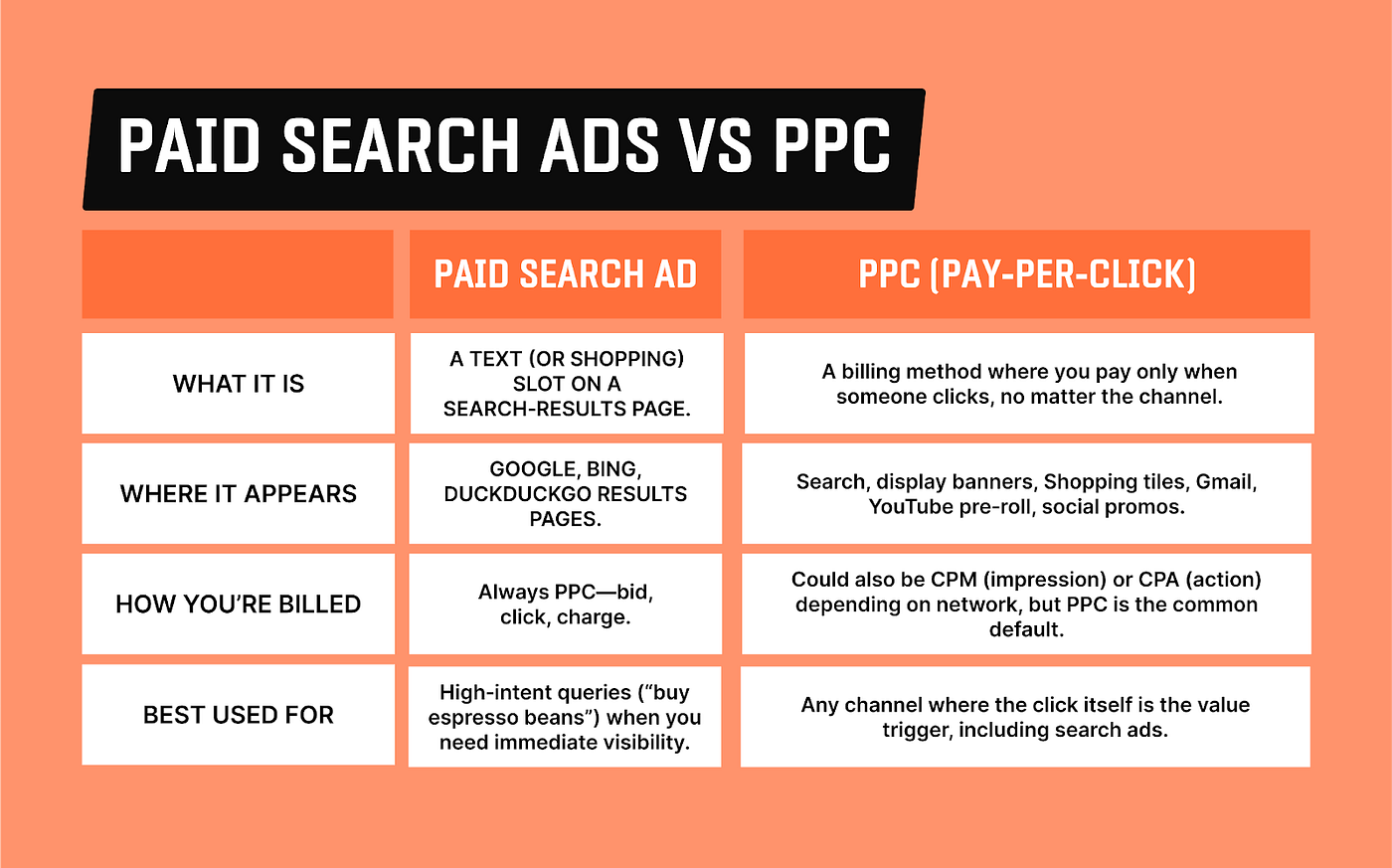
In the world of digital marketing, paid search optimization is a powerful tool that can significantly impact the success of your online advertising campaigns. By strategically optimizing your paid search efforts, you can increase visibility, drive targeted traffic to your website, and ultimately boost conversions.
One of the key benefits of paid search optimization is the ability to target specific keywords and phrases that are relevant to your business. By identifying and bidding on high-performing keywords, you can ensure that your ads are displayed to users who are actively searching for products or services like yours.
Furthermore, paid search optimization allows you to track and analyze the performance of your campaigns in real-time. By monitoring metrics such as click-through rates, conversion rates, and return on investment, you can make data-driven decisions to continually refine and improve your advertising efforts.
Another advantage of paid search optimization is the flexibility it offers in terms of budgeting and targeting. With pay-per-click (PPC) advertising platforms like Google Ads, you have full control over how much you spend on each campaign and who sees your ads. This level of customization enables you to reach your ideal audience while maximizing your advertising dollars.
In conclusion, paid search optimization is a valuable strategy for businesses looking to enhance their online presence and drive measurable results. By harnessing the power of targeted keywords, real-time analytics, and budget flexibility, you can optimize your paid search campaigns for success in today’s competitive digital landscape.
The key difference between paid ads and SEO lies in how website traffic is generated. Paid ads, also known as pay-per-click (PPC) advertising, involve businesses paying for their ads to be displayed prominently in search engine results or on other websites. These ads appear at the top or bottom of search engine results pages and are marked as “sponsored” content. On the other hand, SEO (Search Engine Optimization) focuses on optimizing a website’s content, structure, and backlinks to improve its organic search engine ranking. Unlike paid ads, SEO aims to increase a website’s visibility in search results through unpaid means, making it a more long-term and sustainable strategy for driving organic traffic.
Paid search strategies encompass a range of tactics and techniques aimed at maximizing the effectiveness of paid search advertising campaigns. These strategies typically involve keyword research to identify relevant and high-performing keywords, creating compelling ad copy that resonates with the target audience, optimizing landing pages for conversion, setting budget allocations based on campaign goals, and continuously monitoring and refining campaign performance through data analysis. By implementing well-defined paid search strategies, businesses can enhance their online visibility, drive quality traffic to their websites, and achieve their desired marketing objectives effectively.
Paid search, also known as pay-per-click (PPC) advertising, involves advertisers paying a fee each time their ad is clicked on in search engine results. On the other hand, SEO (Search Engine Optimization) refers to the process of optimizing a website to improve its organic ranking in search engine results. While paid search provides immediate visibility through ads that appear at the top of search results, SEO focuses on enhancing a website’s content, structure, and backlinks to increase its visibility over time without direct payment for clicks. Both paid search and SEO are essential components of a comprehensive digital marketing strategy, each offering unique benefits and serving different purposes in driving traffic and conversions to a website.
Paid SEO, also known as search engine marketing (SEM) or pay-per-click (PPC) advertising, refers to the practice of bidding on keywords to have your website’s ads displayed prominently in search engine results pages. Unlike organic SEO, which focuses on optimizing your website to rank higher in unpaid search results, paid SEO involves paying for ad placement to drive targeted traffic to your site. By investing in paid SEO strategies, businesses can increase their online visibility, attract qualified leads, and achieve specific marketing objectives through paid search campaigns.
When comparing SEO (Search Engine Optimization) and PPC (Pay-Per-Click) as strategies for driving traffic to a website, the choice between the two often depends on specific goals and circumstances. SEO focuses on optimizing a website to improve its organic search ranking, which can lead to long-term, sustainable traffic growth. On the other hand, PPC involves paying for ads to appear at the top of search engine results pages, providing immediate visibility and control over targeting. Ultimately, the decision between SEO and PPC should be based on factors such as budget, timeline, competition level, and overall marketing objectives. Both strategies have their advantages and can complement each other effectively in a comprehensive digital marketing strategy.
An example of paid search is when a company bids on specific keywords related to their products or services through platforms like Google Ads. When users search for those keywords, the company’s ad may appear at the top of the search results, labeled as an “Ad.” Clicking on the ad directs users to the company’s website, and the company pays a fee each time someone clicks on their ad. This form of paid search allows businesses to target relevant audiences actively searching for what they offer, driving traffic and potential conversions to their website.
The effectiveness of paid search can vary depending on various factors such as campaign strategy, target audience, competition, and industry trends. When executed strategically with well-researched keywords, compelling ad copy, and optimized landing pages, paid search can be highly effective in driving targeted traffic to your website and generating conversions. By continuously monitoring and refining your paid search campaigns based on performance data, you can maximize the effectiveness of your advertising efforts and achieve a positive return on investment. It is essential to approach paid search with a clear goal in mind and to adapt your strategies based on insights gained from analytics to ensure its effectiveness in meeting your business objectives.
When it comes to digital marketing, a common question that arises is the difference between SEO (Search Engine Optimization) and PPC (Pay-Per-Click) advertising. SEO focuses on optimizing your website to improve its organic search engine rankings, aiming to increase visibility and drive traffic through unpaid search results. On the other hand, PPC involves paying for ad placements on search engine result pages, with costs incurred each time a user clicks on the ad. While SEO is a long-term strategy that requires ongoing efforts to maintain and improve rankings, PPC offers immediate visibility and control over ad placement based on targeted keywords and audience demographics. Both SEO and PPC are valuable components of a comprehensive digital marketing strategy, each offering unique benefits in enhancing online presence and driving conversions.
