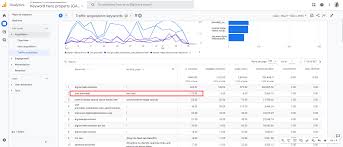
Search Engine Optimization (SEO) has long been a crucial aspect of digital marketing strategies, helping websites improve their visibility and attract organic traffic. However, the rise of “not provided” keywords has presented a significant challenge for SEO professionals.
When users perform searches on search engines like Google while logged into their accounts, the keywords they use are often encrypted and hidden from website owners. Instead of seeing specific search terms that led users to their site, website owners are greeted with a frustrating “not provided” label in their analytics reports.
This lack of keyword data makes it difficult for SEO professionals to understand which keywords are driving traffic to their site and which ones are most effective in attracting visitors. As a result, optimizing content and targeting the right keywords becomes more challenging.
Despite this challenge, there are strategies that SEO professionals can employ to work around the “not provided” issue. One approach is to focus on creating high-quality, relevant content that resonates with target audiences regardless of specific keyword data. By understanding user intent and providing valuable information, websites can still attract organic traffic even without detailed keyword insights.
Additionally, leveraging other sources of data such as Google Search Console and third-party tools can provide valuable insights into keyword performance and user behavior. By analyzing trends, monitoring site performance, and experimenting with different strategies, SEO professionals can adapt to the changing landscape of “not provided” keywords.
In conclusion, while the rise of “not provided” keywords poses challenges for SEO strategies, it also presents an opportunity for innovation and adaptation. By focusing on user experience, creating quality content, and utilizing available data sources effectively, websites can continue to thrive in the ever-evolving world of search engine optimization.
When faced with the challenge of “not provided” keywords in SEO, a valuable tip is to shift focus towards optimizing other pages that have available data. By analyzing the performance of pages with visible keyword insights, SEO professionals can identify trends, patterns, and successful strategies that can be applied to other areas of the website. This proactive approach allows for targeted optimization efforts based on existing data, helping to improve overall search engine visibility and drive organic traffic to the site.
One effective tip for navigating the challenge of “not provided” keywords in SEO is to leverage Google Search Console to identify high-traffic keywords that are hidden from analytics. By analyzing the performance data provided by Google Search Console, website owners can gain valuable insights into the search queries that are driving traffic to their site. This information can help SEO professionals better understand user behavior, optimize content for relevant keywords, and improve overall search engine visibility.
Analyzing user behavior on the website is a valuable tip for navigating the challenges posed by “not provided” keywords in SEO. By examining metrics such as time spent on page, bounce rates, and click-through rates, SEO professionals can gain insights into user intent and preferences. Understanding how visitors interact with the site can help identify patterns, interests, and areas for improvement, allowing for more targeted content creation and optimization strategies. This data-driven approach enables website owners to adapt their SEO tactics effectively in the absence of specific keyword data, ultimately enhancing user experience and driving organic traffic.
Creating high-quality content around relevant topics and keywords is a fundamental tip for navigating the challenges of “not provided” SEO. By focusing on producing valuable and engaging content that aligns with the interests and needs of your target audience, you can attract organic traffic and improve your website’s visibility. Quality content not only helps establish your expertise in your industry but also increases the likelihood of ranking well in search engine results pages. By incorporating relevant keywords naturally into your content, you can enhance its SEO performance and drive more traffic to your site, even in the absence of detailed keyword data.
To navigate the challenges posed by “not provided” keywords in SEO, a valuable tip is to leverage long-tail keywords for targeted traffic. Long-tail keywords are specific and detailed phrases that cater to niche audiences, making them less competitive and more likely to attract qualified visitors to your site. By incorporating long-tail keywords strategically into your content and optimization efforts, you can enhance your chances of reaching the right audience and driving meaningful engagement despite the limitations of unavailable keyword data.
To navigate the challenge of “not provided” keywords in SEO, consider exploring alternative sources of keyword data, such as paid tools or analytics platforms. These resources can provide valuable insights into keyword performance and user behavior, helping you make informed decisions about your SEO strategies. By leveraging additional data sources beyond traditional analytics, you can gain a deeper understanding of how users are finding and interacting with your website, ultimately improving your overall SEO efforts.
