
How to Build a Successful Search Engine Optimization Business
A search engine optimization business helps companies improve their visibility in organic search results. By making websites easier to find, understand, and use, SEO professionals can help clients attract relevant visitors and turn more of them into customers.
Demand for SEO services comes from businesses of all sizes. Local service providers want to appear in nearby searches, online stores need product pages that can be discovered, and larger organizations often need support with complex websites. For entrepreneurs with a mix of marketing knowledge, analytical skills, and client-service experience, SEO can be the foundation of a flexible business.
What Does an SEO Business Do?
SEO is not a single task. It is an ongoing process that combines research, technical improvements, content development, and performance analysis. The exact work depends on a client’s website, industry, audience, and goals.
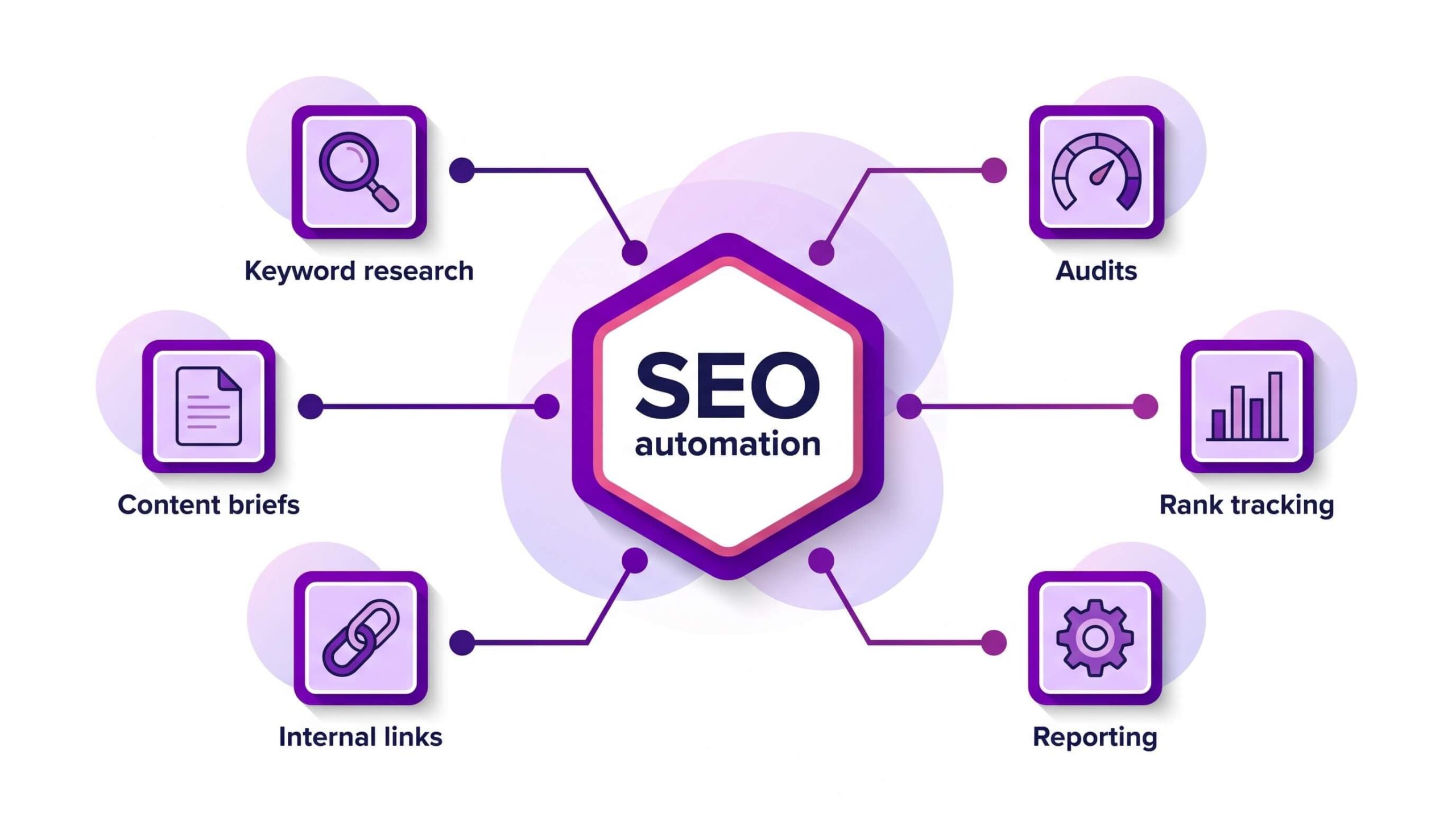
- SEO audits: Reviewing a website to identify technical issues, content gaps, and opportunities to improve search visibility.
- Keyword and audience research: Learning how potential customers search and what information they need.
- On-page optimization: Improving page titles, headings, copy, internal links, and other elements that help visitors and search engines understand a page.
- Technical SEO: Addressing issues involving site structure, crawling, indexing, mobile usability, and page performance.
- Content strategy: Planning useful pages and articles that answer customer questions and support business objectives.
- Local SEO: Helping eligible businesses improve their presence in local search results and maintain accurate business information online.
- Reporting and consulting: Tracking meaningful outcomes, explaining progress, and recommending next steps.
Choose a Clear Focus
New agencies may be tempted to offer every digital marketing service at once. A more focused offer can make it easier to explain what the business does and who it serves. For example, an SEO business might specialize in local businesses, ecommerce websites, professional services, or a particular industry.
A clear specialty can also help shape the agency’s process. A local SEO engagement may emphasize service-area pages and business listings, while an ecommerce project may involve product-category structure, product content, and large-scale technical reviews. Specialization should be based on genuine experience and the ability to deliver valuable work, not just on a marketing label.
Create Services Clients Can Understand
Clients are more likely to understand an SEO proposal when the work is described in plain language. Instead of relying on a list of technical terms, connect each service to the problem it addresses and the outcome it is intended to support.
Common ways to package SEO work include:
- One-time projects: Such as an audit, website migration review, or keyword research project.
- Monthly engagements: Ongoing work that may include technical improvements, content recommendations, reporting, and strategy.
- Consulting: Guidance for an in-house team that handles implementation.
Scope should be specific. Proposals can identify the work included, what the client needs to provide, how communication will work, and how results will be reviewed. Avoid promising specific rankings or guaranteed revenue. Search engines and market conditions are outside an agency’s control, so responsible SEO is best presented as a process aimed at improving performance over time.
Build a Repeatable SEO Process
A consistent process makes client work easier to manage and helps prevent important details from being overlooked. A typical engagement may follow these steps:
- Understand the business: Clarify the client’s services, audience, competitors, priorities, and definition of success.
- Establish a baseline: Review the website and available analytics before making changes.
- Research opportunities: Examine search demand, existing content, technical issues, and competitor coverage.
- Prioritize recommendations: Separate urgent issues from longer-term improvements and consider potential effort and impact.
- Implement and refine: Make approved changes, monitor their effects, and adjust the plan as needed.
- Communicate clearly: Share progress in reports that explain what was done, what was learned, and what comes next.
Not every recommendation needs to be implemented immediately. A practical roadmap helps clients focus on the most important work without overwhelming their teams or budgets.
Earn Trust Through Useful Reporting
Good reporting does more than list keyword positions. Rankings can change, and they do not always reflect whether a business is reaching the right audience. Depending on the client’s goals, reports may include organic traffic, leads, sales, conversions, landing-page performance, and progress on agreed-upon work.
Reports should also explain limitations. A change in traffic may be related to seasonality, a website update, a change in demand, or other factors—not only SEO activity. Transparent communication helps clients make informed decisions and builds stronger working relationships.
Find and Win SEO Clients
For a new SEO business, early clients may come from professional connections, referrals, local business groups, or partnerships with web designers and development teams. Publishing helpful educational content can also demonstrate expertise, provided the content offers genuine value rather than simply repeating general advice.
When speaking with prospective clients, ask about their business goals before recommending services. Learn how they currently attract customers, which products or services matter most, and what resources they have available for implementation. This discovery process helps determine whether SEO is a suitable investment and what kind of engagement makes sense.
Manage the Business, Not Just the SEO
Running an SEO business also requires sound operations. Owners need to manage contracts, invoicing, scheduling, documentation, and client communication. They should set realistic capacity limits and make sure each project has a clear point of contact and approval process.
It is also important to keep learning. Search technologies and best practices evolve, but lasting principles remain valuable: create useful content, make websites accessible and understandable, use accurate information, and focus on the needs of real people. SEO providers should follow search engine guidelines and avoid shortcuts that could put a client’s website at risk.
Build for Long-Term Value
A strong search engine optimization business is built on more than rankings. It depends on clear services, thoughtful research, dependable execution, and honest communication. When an agency helps clients understand their opportunities and make steady improvements, it can create lasting value for both the client and the business.
Whether starting as an independent consultant or building a larger agency, the best foundation is a practical one: choose a focus, define a repeatable process, set clear expectations, and measure progress against the client’s real business goals.