
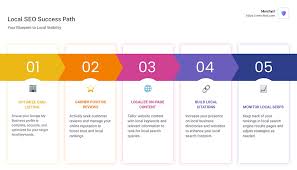
How to Improve Your Local Search Engine Rankings
When people search online for a nearby service or business, they often choose from the options that appear first. Strong local search engine rankings can help your business get found by potential customers in your area, bring more visitors to your website, and encourage calls, visits, and inquiries.
Local SEO is the process of improving your online presence so search engines can better understand what your business offers, where it operates, and which local searches are relevant to it. While no single tactic guarantees a top position, consistent, accurate information and a useful website can strengthen your visibility over time.
What Affects Local Search Rankings?
Local search results generally reflect three broad considerations:
- Relevance: How well your business matches what someone is searching for.
- Distance: How close your business is to the searcher or the location included in the search.
- Prominence: How established and trusted your business appears online and in the community.
Businesses cannot control every factor, especially a searcher’s location. However, there are practical steps you can take to make your business information clearer, more complete, and more useful.
Create and Maintain Your Business Profile
Claim your business profile on major search and map platforms, then verify that the details are accurate. Use the same business name, address, phone number, website, and hours across your online listings. Select the most appropriate business categories, describe your services clearly, and add current photos when available.
Keep the profile updated when your hours, contact information, services, or location change. Accurate information helps customers know what to expect and reduces the chance of missed calls or visits.
Keep Business Listings Consistent
Your business may appear in online directories, review sites, social platforms, and industry listings. Inconsistent details—such as an old phone number or different address formats—can confuse potential customers and make it harder to confirm that listings refer to the same business.
Review your most important listings periodically. Correct outdated information and remove duplicate listings when possible. If your business serves customers at their locations rather than from a storefront, make sure your profiles reflect the service areas and address settings that apply to your business.
Make Your Website Relevant to Local Customers
Your website should clearly explain what you do, where you do it, and how visitors can contact you. Include your service area naturally in page titles, headings, and relevant page copy. Avoid repeating city names unnaturally or creating pages with little useful information just to target different locations.
If you serve multiple communities, consider creating a distinct page for each area only when you can provide genuinely useful, location-specific content. Explain which services are available there, how customers can get help, and what makes your offering relevant to that community.
Make Your Website Easy to Use on Mobile
Many local searches happen on phones, often when someone needs information quickly. Make sure your website loads reliably, displays well on smaller screens, and makes important details easy to find. Contact information, business hours, service descriptions, and directions should be straightforward to access.
Check that buttons and forms work on mobile devices. A clear path to call, request an estimate, book an appointment, or find your location can make it easier for visitors to take the next step.
Earn and Respond to Customer Reviews
Reviews help people learn about other customers’ experiences. Invite customers to leave honest feedback without offering rewards in exchange for positive reviews. Make the request simple and follow the policies of the platforms where you are seeking reviews.
Respond professionally to both positive and negative feedback. Thank customers for sharing their experiences, and address concerns calmly and constructively. Avoid posting private customer information in a public response.
Publish Helpful, Locally Relevant Content
Useful content can answer questions that potential customers have before they contact you. Depending on your business, this could include service guides, seasonal advice, local project examples, frequently asked questions, or explanations of how your process works.
Focus on accuracy and usefulness rather than producing content simply to include keywords. If you mention a local area, make sure the information is genuinely relevant to people there.
Build Local Connections and Earn Quality Links
Links from reputable local organizations and relevant industry websites can help people discover your business and provide context about your presence. Consider legitimate opportunities such as community partnerships, local business associations, sponsorships, professional directories, or useful contributions to local publications.
Prioritize genuine relationships and relevant mentions. Avoid schemes that promise rankings through large volumes of low-quality or unrelated links.
Track Results and Make Steady Improvements
Local SEO takes ongoing attention. Monitor how customers find you, which pages receive visits, and whether calls, form submissions, bookings, or other meaningful actions are increasing. Search performance can vary by location, device, and search query, so avoid relying on a single ranking check as the full measure of success.
Use what you learn to improve your pages, update business information, and answer questions customers ask. Small, consistent improvements are often more sustainable than chasing quick fixes.
Build a Stronger Local Presence
Improving local search engine rankings starts with the basics: accurate business information, a clear and helpful website, a positive approach to customer feedback, and content that serves your community. These practices can make it easier for search engines and potential customers to understand your business.
Local SEO is not a one-time project, and results are not guaranteed. With regular updates and a focus on customer experience, your business can build a more dependable online presence and improve its chances of being found by people nearby.