Search Engine Optimization Ranking: A Practical Guide to Improving Your Search Visibility
Search Engine Optimization Ranking: How to Improve Your Position in Search Results
Search engine optimization (SEO) ranking refers to where a webpage appears in the unpaid results for a search query. A higher position can help more people find your website, but rankings are not fixed. Search engines continually evaluate pages and update results based on the query, the searcher’s context, and the quality and relevance of available content.
Improving your SEO ranking is not about finding a single shortcut. It involves creating useful content, making your website easy to access and understand, and earning trust over time.
How Search Engine Rankings Work
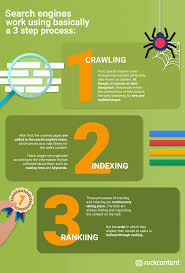
Search engines discover pages through crawling, organize information through indexing, and then select and order results when someone searches. Their systems consider many signals to determine which pages are likely to answer a query well.
The exact algorithms are complex and change over time. No legitimate SEO provider can guarantee a specific ranking. However, website owners can follow established practices that make pages more helpful to visitors and easier for search engines to interpret.
Key Factors That Influence SEO Ranking
Relevance to the Search Query
A page should clearly address the topic behind a search. Research the questions and terms your audience uses, then create content that answers those questions directly. Use relevant phrases naturally in the page title, headings, URL, and body text. Avoid repeating keywords unnaturally, which can make content difficult to read.
Useful, Original Content
High-quality content provides accurate information, explains important details, and helps readers take their next step. Add original insights, examples, or practical guidance instead of simply restating what is already available. Review pages regularly so that facts, links, and recommendations remain current.
Website Experience and Technical Health
Visitors should be able to use your website easily on phones, tablets, and desktop computers. Fast-loading pages, clear navigation, secure connections, and readable layouts all contribute to a better experience. Technical problems such as broken links, duplicate pages, or blocked content can make it harder for search engines to access and understand your site.
Page Titles and Descriptions
Write a unique, descriptive title for each important page. A clear title helps people and search engines understand the page’s subject. Meta descriptions do not directly determine rankings in most cases, but a useful description can encourage searchers to click when the page appears in results.
Links and Reputation
Links from other relevant, trustworthy websites can help search engines discover your content and may indicate that others find it valuable. Focus on earning links through useful resources, original research, strong partnerships, and worthwhile contributions. Buying links or using manipulative link schemes can put a website at risk.
Practical Steps to Improve Your SEO Ranking
- Understand your audience. Identify what your potential customers need to know and how they describe their questions.
- Choose a clear topic for each page. Give every page a distinct purpose rather than creating several pages that compete for the same search.
- Organize content logically. Use descriptive headings, short paragraphs, and internal links to related pages.
- Improve page performance. Compress large images, remove unnecessary scripts, and check that pages work well on mobile devices.
- Make your site easy to crawl. Use a clear URL structure, maintain an XML sitemap, and fix important technical errors.
- Measure results. Review impressions, clicks, rankings, and conversions with analytics and search performance tools.
- Update and refine. Use performance data and customer feedback to improve pages over time.
How Long Does It Take to Improve Rankings?
SEO is a long-term effort. The time it takes to see changes depends on factors such as your website’s history, competition, technical condition, and the quality of your content. Some updates may be reflected relatively quickly, while building visibility for competitive searches can take considerably longer.
Rather than judging progress by one keyword or a single day’s ranking, look for broader trends. More relevant organic traffic, stronger engagement, and an increase in qualified inquiries can be signs that your SEO work is moving in the right direction.
A Sustainable Approach to SEO
Search engine optimization ranking is most sustainable when it follows the same basic principle as good service: provide real value. Create pages for people first, make your site accessible and technically sound, and build your reputation through trustworthy work. Rankings may fluctuate, but a useful website gives your business a stronger foundation for long-term search visibility.
6 Key Benefits of SEO Ranking: Boost Traffic, Visibility, and Credibility
- Increases organic website traffic
- Improves online visibility
- Attracts relevant visitors
- Builds brand credibility
- Supports long-term growth
- Can reduce reliance on paid ads
Challenges of SEO: Slow Progress, Algorithm Changes, and Uncertain Outcomes
- SEO rankings can take months to improve.
- Search algorithms change frequently.
- High rankings are never guaranteed.
Increases organic website traffic
A strong search engine optimization ranking can increase organic website traffic by helping your pages appear higher when people search for products, services, or information related to your business. Because organic visitors find your site through unpaid search results, improved visibility can bring in a steady stream of relevant prospects without paying for every click. By creating useful content that matches your audience’s needs, you can attract more qualified visitors and give them a clear path to learn about your business.
Improves online visibility
Search engine optimization can improve online visibility by helping your website appear more prominently when people search for relevant products, services, or information. Higher placement in organic search results can make it easier for potential customers to discover your business, explore what you offer, and visit your site. Over time, consistent visibility for relevant searches can also strengthen brand recognition and bring in more qualified visitors.
Attracts relevant visitors
Higher search engine rankings can attract visitors who are already looking for the products, services, or information your business offers. By creating helpful content around relevant search terms, you connect with people whose needs match what you provide. These qualified visitors are more likely to engage with your website, become leads, or make a purchase.
Builds brand credibility
Strong search engine rankings can build brand credibility by helping your business appear prominently when people search for relevant products, services, or information. A visible position can signal that your website is a useful result, while well-written, accurate content gives visitors reasons to trust your expertise. Over time, consistent visibility across relevant searches can strengthen brand recognition and make potential customers more confident about choosing your business.
Supports long-term growth
Search engine optimization supports long-term growth by helping a business build lasting visibility in organic search results. Unlike paid ads, which typically stop generating traffic when the budget runs out, well-optimized pages can continue attracting relevant visitors over time. As a website gains useful content, authority, and trust, it can reach more potential customers, generate new leads, and strengthen the business’s online presence.
Can reduce reliance on paid ads
Strong search engine optimization rankings can reduce a business’s reliance on paid ads by helping its website attract organic visitors from relevant searches. While paid advertising can deliver quick visibility, each click typically comes at a cost. A well-optimized page can continue bringing in potential customers over time without paying for every visit, helping diversify marketing efforts and make the advertising budget go further. Organic SEO still requires ongoing work and does not guarantee traffic, but it can provide a valuable long-term complement to paid campaigns.
SEO rankings can take months to improve.
One drawback of SEO is that rankings can take months to improve. Search engines need time to discover and evaluate website updates, while competitive keywords may require consistent content improvements, technical fixes, and trustworthy backlinks before results appear. This delay can make SEO less suitable for businesses seeking immediate visibility, so it’s important to set realistic expectations and track progress using measures such as organic traffic, engagement, and qualified leads—not rankings alone.
Search algorithms change frequently.
One challenge of search engine optimization is that search algorithms change frequently. A strategy that helps a website perform well today may become less effective as search engines update how they evaluate and rank pages. Businesses need to monitor performance, keep up with important industry changes, and regularly improve their content and website. These ongoing adjustments can take time and resources, and rankings may fluctuate even when a site continues to follow sound SEO practices.
High rankings are never guaranteed.
One drawback of search engine optimization is that high rankings are never guaranteed. Search engines regularly update their algorithms, competitors improve their websites, and search results can vary by query, location, and user context. Even a well-planned SEO strategy may take time to show results, and a page’s position can rise or fall unexpectedly. Businesses should treat SEO as an ongoing investment rather than a promise of a specific ranking.
Tags :
backlinks,
conversions,
crawling and indexing,
keyword research,
link building,
meta descriptions,
mobile optimization,
organic traffic,
page performance,
page titles,
relevant content,
search engine optimization,
search engine optimization ranking,
search engine rankings,
search results,
search visibility,
seo analytics,
seo ranking,
sustainable seo,
technical seo,
website experience,
xml sitemap