
SEO Web Marketing Services: A Practical Guide to Growing Online
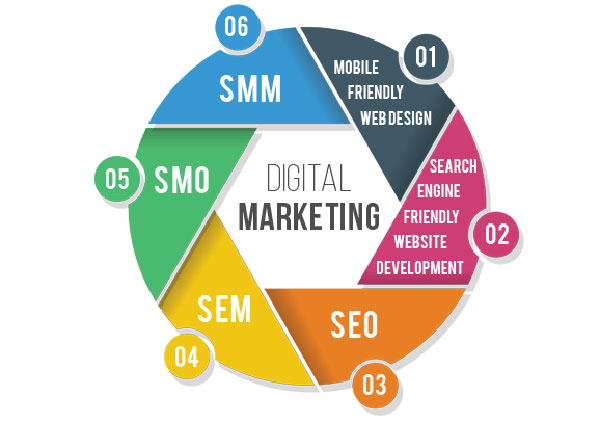
SEO web marketing services help businesses improve their visibility in search engines and attract people who are looking for their products, services, or expertise. By combining search engine optimization (SEO) with other digital marketing strategies, businesses can build a stronger online presence, reach relevant audiences, and support long-term growth.
SEO is not a one-time task or a shortcut to instant results. It involves improving a website over time so search engines can understand its content and visitors can find useful answers, products, or services. A thoughtful web marketing strategy connects those improvements with clear business goals.
What Are SEO Web Marketing Services?
SEO web marketing services may include the technical, creative, and analytical work needed to improve a business’s performance online. The exact mix depends on the website, industry, audience, and goals. Common services include:
- SEO audits: Reviewing a website for technical issues, content gaps, indexing problems, and opportunities to improve.
- Keyword research: Identifying the search terms people use when looking for relevant information, products, or services.
- On-page optimization: Improving page titles, headings, copy, internal links, images, and other elements to make pages clearer and more useful.
- Technical SEO: Addressing site speed, mobile usability, crawlability, site structure, and other factors that affect how search engines access a website.
- Content strategy: Planning and creating helpful pages, articles, and other resources that address audience needs.
- Local SEO: Improving visibility for location-based searches through business listings, local content, and consistent contact information.
- Link earning: Building a website’s authority by creating useful resources and earning relevant links from other websites.
- Performance reporting: Tracking organic traffic, rankings, leads, sales, and other measures tied to business objectives.
How SEO Supports Web Marketing
SEO works best as part of a broader marketing plan. Search insights can help guide website content, while email, social media, paid advertising, and other channels can help distribute that content and reach audiences at different stages of their decision-making process.
For example, a service business might use SEO to attract people researching a problem, publish clear information that explains its services, and provide straightforward ways to request a consultation. An online store might improve product pages, organize category pages, and publish buying guides that help shoppers compare options.
Benefits of SEO Web Marketing
- More relevant visibility: Well-optimized pages can appear for searches related to a business’s offerings.
- Useful website improvements: SEO work often makes pages easier to navigate, understand, and use on mobile devices.
- Long-term value: Strong content and sound technical foundations can continue to attract visitors over time, though ongoing maintenance is often needed.
- Better audience insights: Search data can reveal common questions, customer needs, and content opportunities.
- Measurable progress: Analytics can show how organic search contributes to visits, inquiries, purchases, and other outcomes.
What to Expect from an SEO Engagement
A reliable SEO process starts with understanding the business and its goals. Before recommending tactics, a service provider should learn about the audience, competition, website, existing marketing efforts, and the results that matter most.
- Discovery and assessment: Review the website, current performance, audience, and business priorities.
- Strategy: Set priorities for technical improvements, content, local visibility, and other relevant work.
- Implementation: Make agreed-upon website changes and publish or improve content.
- Measurement: Monitor performance using meaningful indicators, such as qualified traffic, leads, sales, and conversions.
- Refinement: Use results and new search trends to update the strategy.
SEO typically takes time. The timeline varies based on factors such as competition, website condition, content quality, and the scope of work. No provider can responsibly guarantee a specific ranking, since search results are influenced by many factors outside any single company’s control.
How to Choose an SEO Web Marketing Provider
Choosing a provider is easier when the conversation focuses on goals, process, and transparency rather than promises of quick rankings. Consider asking:
- How will the strategy connect to business goals?
- What work will be completed, and who is responsible for implementation?
- How will progress be measured and reported?
- What assumptions or limitations could affect the results?
- How does the provider approach content quality, link building, and search engine guidelines?
Look for clear communication, realistic expectations, and recommendations tailored to the business. Be cautious of guaranteed rankings, unexplained tactics, or reports that emphasize traffic without showing whether that traffic supports meaningful outcomes.
Measuring SEO Results
Rankings can be useful, but they do not tell the whole story. A balanced measurement plan may include organic search visits, visibility for relevant searches, engagement with key pages, form submissions, phone calls, purchases, and revenue. The right metrics depend on the business model and the actions visitors are expected to take.
It is also important to establish a baseline before making changes. Comparing performance over time helps reveal what is improving, what needs attention, and whether the strategy is attracting the right audience.
Build a Stronger Online Presence
SEO web marketing services can help businesses create a more useful website, improve search visibility, and connect with potential customers. The strongest approach combines technical care, relevant content, a clear understanding of the audience, and consistent measurement.
With realistic expectations and a strategy tied to business goals, SEO can become a valuable part of a broader digital marketing plan.