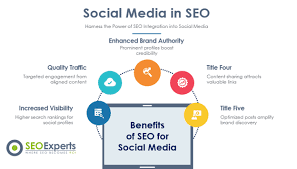
Social media and search engine optimization (SEO) are two powerful tools in the digital marketing landscape. When combined effectively, they can amplify each other’s impact and drive significant results for businesses.
SEO is the practice of optimizing your website to rank higher in search engine results pages (SERPs) for relevant keywords. On the other hand, social media marketing focuses on building brand awareness, engaging with audiences, and driving traffic through social platforms.
Integrating SEO strategies into your social media efforts can enhance your online visibility and reach a wider audience. By incorporating relevant keywords, hashtags, and links in your social media posts, you can improve your chances of being discovered by users searching for related content.
Furthermore, sharing high-quality content on social media that resonates with your target audience can increase engagement and drive traffic to your website. This not only boosts your brand’s online presence but also signals to search engines that your site is valuable and authoritative.
Another benefit of combining SEO with social media is the opportunity to attract backlinks from reputable sources. When users share your content on social platforms and link back to your website, it signals to search engines that your site is trustworthy and deserving of a higher ranking.
In conclusion, leveraging the power of SEO in social media marketing can help businesses improve their online visibility, drive traffic, and ultimately increase conversions. By integrating SEO best practices into your social media strategy, you can create a synergistic approach that maximizes the impact of both channels.
An example of SEO (Search Engine Optimization) involves optimizing a website’s content, structure, and metadata to improve its visibility in search engine results. For instance, incorporating relevant keywords into website copy, creating descriptive meta tags, and building high-quality backlinks are all common SEO practices that can help a website rank higher in search engine results pages. By implementing these strategies effectively, businesses can increase their online presence and attract more organic traffic to their websites.
Social media SEO refers to the practice of optimizing social media profiles and content to improve visibility and rankings on search engine results pages (SERPs). By incorporating relevant keywords, hashtags, and links in social media posts and profiles, businesses can increase their chances of being discovered by users searching for related topics. Social media SEO also involves engaging with audiences, sharing high-quality content, and attracting backlinks from reputable sources to enhance online presence and authority. Integrating SEO strategies into social media efforts can amplify reach, drive traffic, and ultimately boost overall digital marketing effectiveness.
Search Engine Optimization (SEO) is the process of optimizing a website or online content to improve its visibility and ranking in search engine results pages (SERPs). By implementing SEO strategies such as keyword research, on-page optimization, link building, and content creation, businesses aim to attract organic traffic from search engines like Google. SEO plays a crucial role in helping websites reach their target audience, increase online visibility, and drive relevant traffic that can lead to higher conversions and business growth.
The question of whether SEO is considered paid media is a common one in the digital marketing realm. While SEO (Search Engine Optimization) involves optimizing your website to improve its organic visibility in search engine results, it is not classified as paid media. Paid media typically refers to advertising channels where businesses pay for ad placements, such as PPC (Pay-Per-Click) campaigns or social media ads. In contrast, SEO focuses on enhancing a website’s ranking through strategies like keyword optimization, content creation, and link building, without directly paying for placement. Both paid media and SEO play vital roles in a comprehensive digital marketing strategy, with each serving different purposes and objectives.
Search Engine Optimization (SEO) is the practice of optimizing a website to increase its visibility and ranking on search engine results pages (SERPs). SEO works by improving various aspects of a website, such as content, keywords, meta tags, and backlinks, to make it more attractive to search engines like Google. By aligning with search engine algorithms and user intent, SEO helps websites appear higher in search results for relevant queries. This increased visibility can drive organic traffic to the site, enhance user experience, and ultimately lead to higher conversions and business growth.
SEO in advertising refers to the practice of optimizing online advertisements to improve their visibility and effectiveness in search engine results. When businesses incorporate SEO strategies into their advertising campaigns, they aim to enhance the chances of their ads being displayed to relevant audiences when they search for related keywords or phrases. By optimizing ad copy, targeting specific keywords, and ensuring landing pages are optimized for search engines, businesses can increase the likelihood of their ads reaching the right audience at the right time. This approach not only improves the overall performance of advertising campaigns but also helps businesses maximize their return on investment by driving more qualified traffic to their websites.
