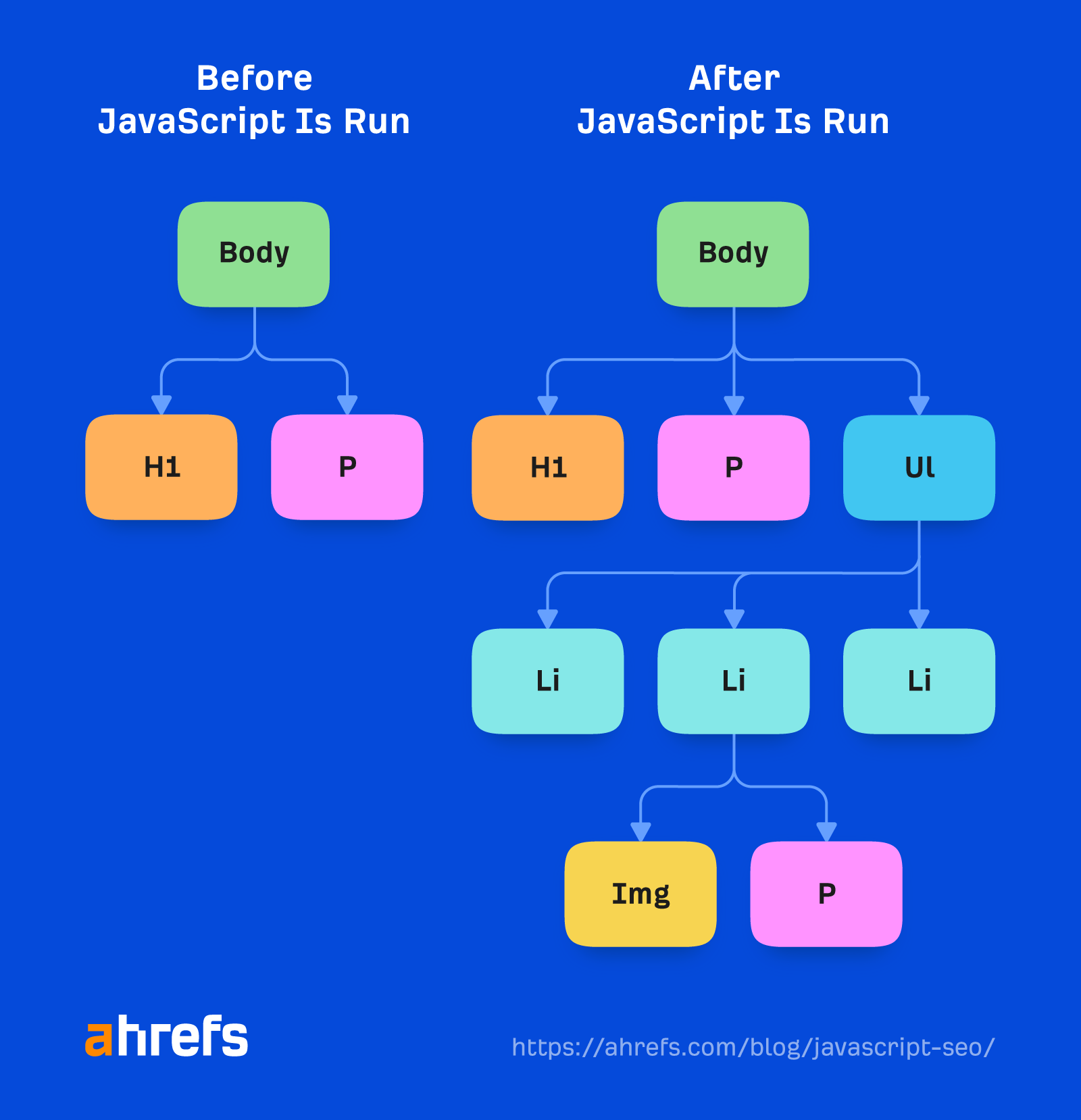
JavaScript is a powerful tool that can enhance the functionality and interactivity of websites. However, its use can also have implications for search engine optimization (SEO). Understanding how JavaScript affects SEO is crucial for ensuring that your website ranks well in search engine results.
Search engines have become better at crawling and indexing JavaScript-driven content in recent years. However, there are still challenges that can impact how well search engines understand and rank web pages that heavily rely on JavaScript.
To ensure that your website is optimized for search engines while utilizing JavaScript, consider the following best practices:
Incorporating JavaScript into your website can greatly enhance user experience, but it’s essential to consider its impact on SEO. By following best practices and staying informed about how search engines handle JavaScript content, you can ensure that your website remains visible and competitive in search engine results.
Ensuring that your website content remains accessible even without JavaScript is a crucial tip for improving SEO. By providing a solid HTML foundation that can be understood by search engine crawlers, you increase the chances of your content being properly indexed and ranked. This approach not only enhances the user experience for visitors with disabled JavaScript but also demonstrates to search engines that your website offers valuable and accessible information, ultimately boosting its visibility in search results.
Utilizing server-side rendering or pre-rendering is a crucial tip for improving SEO on JavaScript-heavy websites. By pre-generating HTML content on the server and serving it to search engine crawlers, you can ensure that your website’s content is easily indexable and accessible. This approach helps search engines understand and rank your pages more effectively, ultimately enhancing your website’s visibility and performance in search engine results.
Optimizing meta tags and structured data is a crucial tip for improving the visibility of your JavaScript-driven content in search engine results. By providing clear and relevant meta tags, along with structured data markup that accurately describes the content on your website, you can help search engines better understand the context and relevance of your pages. This not only enhances the overall SEO performance of your site but also increases the likelihood of your content being prominently featured in search results, driving more organic traffic to your website.
When optimizing your website for search engines while incorporating JavaScript, a crucial tip is to create a comprehensive sitemap that includes all relevant URLs, including those dynamically generated by JavaScript. By ensuring that search engines can easily crawl and index all the content on your site, including dynamic elements, you enhance the visibility of your website in search results. A well-structured sitemap helps search engine crawlers navigate through your site efficiently and understand the relationship between different pages, ultimately improving the overall SEO performance of your website.
Monitoring and optimizing site speed is crucial when incorporating JavaScript for SEO purposes. Slow loading times can have a detrimental effect on SEO performance, as search engines prioritize fast-loading websites in their rankings. By ensuring that your JavaScript-driven content loads quickly and efficiently, you can improve user experience, increase search engine visibility, and ultimately enhance the overall SEO performance of your website.
Implementing responsive design is a crucial tip for JavaScript SEO, as it ensures that your website is mobile-friendly. With the increasing number of users accessing the internet on mobile devices, having a responsive design not only enhances user experience but also plays a significant role in SEO rankings. Search engines prioritize mobile-friendly websites in their rankings, making it essential to optimize your site for different screen sizes and devices through responsive design practices.
To ensure optimal performance in JavaScript SEO, it is crucial to regularly check for crawl errors and utilize tools such as Google Search Console to pinpoint any issues related to JavaScript rendering. By staying proactive in monitoring how search engines are indexing your JavaScript-driven content, you can address any potential obstacles that may impact your website’s visibility and ranking in search engine results.
