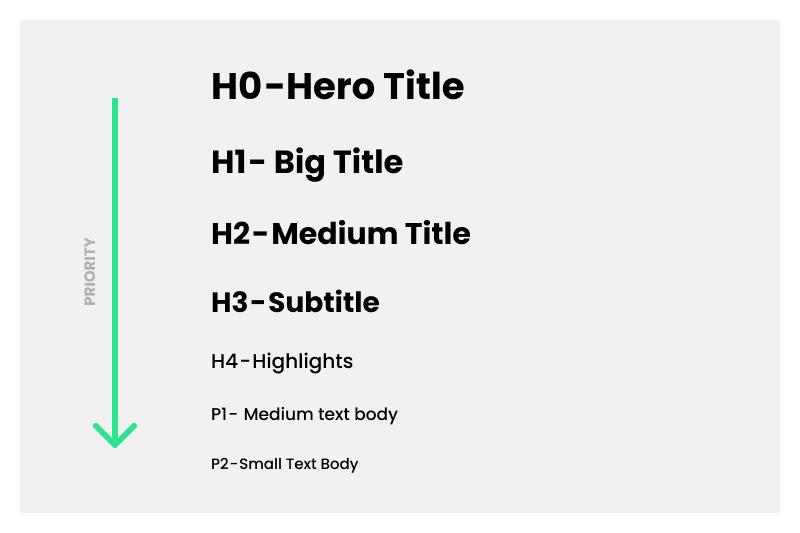
In the world of SEO (Search Engine Optimization), heading tags play a crucial role in signaling the structure and hierarchy of your content to search engines. The proper use of H1, H2, and H3 tags can significantly impact your website’s visibility and ranking on search engine results pages.
H1 Tag:
The H1 tag is considered the most important heading tag on a webpage. It should be used to indicate the main topic or title of the page. Search engines rely heavily on the H1 tag to understand the primary focus of your content. Including relevant keywords in your H1 tag can improve your chances of ranking higher for those terms.
H2 Tag:
The H2 tag is used to denote subheadings within a webpage. It helps break down content into more digestible sections and provides additional context for both users and search engines. Using H2 tags strategically can improve the readability of your content and make it easier for search engines to crawl and index your page.
H3 Tag:
The H3 tag serves as a further subdivision within the content hierarchy. It is typically used to introduce subsections or key points under an H2 heading. By utilizing H3 tags effectively, you can create a well-structured and organized layout that enhances user experience and SEO performance.
Best Practices for Using Heading Tags in SEO:
By implementing best practices for utilizing SEO heading tags (H1, H2, H3), you can optimize your website’s structure for improved visibility, user experience, and search engine rankings. Remember that effective SEO is not just about keywords but also about presenting information in a well-organized manner that benefits both users and search engines alike.
The H1 tag is a critical element in SEO strategy as it serves as the main heading of a webpage, conveying the primary topic or title to search engines and users. By carefully crafting the H1 tag with relevant keywords and clear, concise language, website owners can enhance their chances of ranking higher in search results for targeted terms. Ensuring that the H1 tag accurately reflects the content of the page not only improves SEO performance but also contributes to better user experience by guiding visitors and search engine crawlers towards understanding the core message of the webpage.
In the realm of SEO, the H2 tag holds significant importance as it functions as a pivotal element in structuring content for both users and search engines. By utilizing H2 tags effectively, website owners can segment their content into logical subsections, making it easier for readers to navigate through the information. Additionally, search engines rely on H2 tags to grasp the hierarchy and relevance of content on a webpage, ultimately influencing the page’s ranking potential. Ensuring that H2 tags are strategically placed and contain relevant keywords can greatly enhance a website’s SEO performance and overall user experience.
In the realm of SEO, the H3 tag serves as a valuable tool for enhancing the structure and organization of content within a webpage. While not as prominent as the H1 or H2 tags, the H3 tag plays a crucial role in further breaking down information into subsections or key points. By utilizing H3 tags effectively, website owners can create a more detailed hierarchy that not only improves readability for users but also provides search engines with additional context to better understand and index the content. Incorporating relevant keywords and concise, descriptive text within H3 headings can further boost SEO performance and contribute to a well-optimized online presence.
Understanding the significance of utilizing SEO heading tags (H1, H2, H3) is crucial for enhancing the visibility and ranking of your website in search engine results. By strategically incorporating relevant keywords into these heading tags and maintaining a clear hierarchical structure, you can improve the readability of your content, guide users through key sections effectively, and signal to search engines the essential topics covered on your webpage. Following best practices for using heading tags in SEO not only boosts your site’s search engine optimization but also contributes to a more organized and user-friendly online experience.
Understanding the significance of utilizing SEO heading tags (H1, H2, H3) is crucial for enhancing the structure and visibility of your website’s content. By strategically incorporating relevant keywords into these heading tags and maintaining a logical hierarchy, you can not only improve your search engine rankings but also provide users with a more organized and engaging reading experience. Remember to keep your headings concise, descriptive, and in hierarchical order to effectively guide both search engines and visitors through your content. By following best practices for using SEO heading tags, you can optimize your content for better search engine visibility and user engagement.
Understanding the significance of utilizing SEO heading tags (H1, H2, H3) is essential for optimizing website content. By strategically incorporating these heading tags into your web pages, you can enhance the structure and readability of your content while signaling key information to search engines. Properly formatted H1 tags can highlight the main topic or title of a page, while H2 and H3 tags can effectively segment and organize subtopics within the content. Following best practices for using heading tags not only improves SEO performance but also contributes to a more user-friendly experience by guiding visitors through your content in a clear and organized manner.
Understanding the significance of utilizing SEO heading tags (H1, H2, H3) is essential for enhancing the visibility and structure of your website’s content. By strategically incorporating relevant keywords into these heading tags, you can effectively communicate the hierarchy and main topics of your content to search engines. Maintaining a logical order and using headings to break down information into digestible sections not only improves readability for users but also aids search engine crawlers in comprehending and indexing your content more efficiently. Remember, when it comes to SEO, proper utilization of heading tags plays a pivotal role in optimizing your website for better search engine rankings and overall user experience.
